Iron Fitting in Alameda: Choosing Your Next Set
Alameda Golfworks | Club fitting insights
Iron Fitting in Alameda: Choosing Your Next Set
A longer seven iron can look like an obvious improvement. Before choosing a new set, ask whether that extra distance helps you play the shots irons are meant to cover.
Irons need predictable carry distances, useful flight, and sensible separation from one club to the next. A set that produces an impressive maximum distance but leaves you uncertain about ordinary shots has not necessarily solved the right problem.
An iron set is a substantial equipment decision. At Alameda Golfworks, we help Bay Area golfers connect the test club with the set they intend to purchase: the head and shaft combination, useful set composition, relevant specifications, and transitions into the rest of the bag. GCQuad feedback supports the comparison, while your experience of the club remains part of the decision.
Explain the iron problem before choosing a category
A golfer may arrive asking for more distance when the more frustrating issue is variation. Another may want a different-looking head even though the real difficulty is getting a long iron into the air.
Tell your fitter what you experience. Which irons do you trust? Which do you avoid? Are you frequently between clubs, or surprised by how far a reasonably solid shot travels?
Those observations help keep the fitting focused. A product category or a handicap label does not substitute for learning what you need the clubs to do.
Also explain your practice and instruction plans. We want a recommendation that makes sense in the context of your game, without pretending we can fit a future swing that has not developed yet.
Understand why testing often starts with a seven iron
After warming up, an iron fitting commonly begins with your current seven iron. That provides a familiar reference for contact and flight before we compare alternatives.
Using one iron initially lets us narrow combinations without changing every part of the question at once. It does not mean the entire set has been individually tested because one club performed well.
The fitting still needs to consider the top and bottom of the set. A useful seven iron is a starting point for those decisions, not a reason to ignore them.
Bring your full bag so the current set and surrounding clubs remain part of the conversation.
Distinguish more distance from more useful distance
Reliable distance gives you something to plan around. If one iron repeatedly produces a useful carry and another occasionally travels much farther, the comparison needs more context than the longest number.
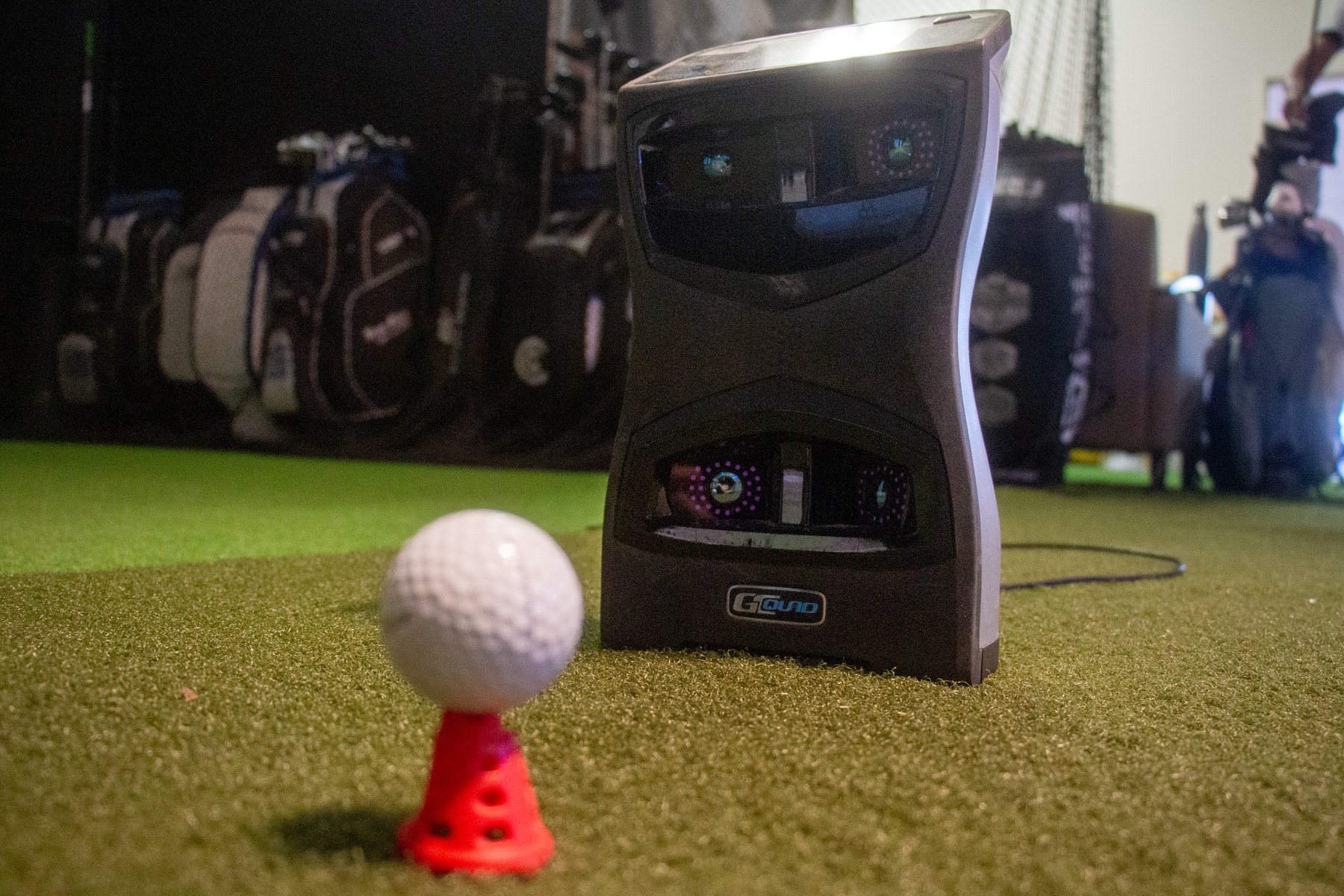
GCQuad feedback helps us look at launch, spin, speed, and flight alongside strike. These measurements contribute to the question of how the ball gets to its distance and whether the result suits the golfer.
An iron also needs a flight that can be useful on approaches. Chasing distance while disregarding the ability to stop near a target is an incomplete fitting goal.
There is no universal set of numbers every golfer should pursue. Ask why a result is appropriate for your speed, contact, and intended shots.
Compare the clubs you can actually use
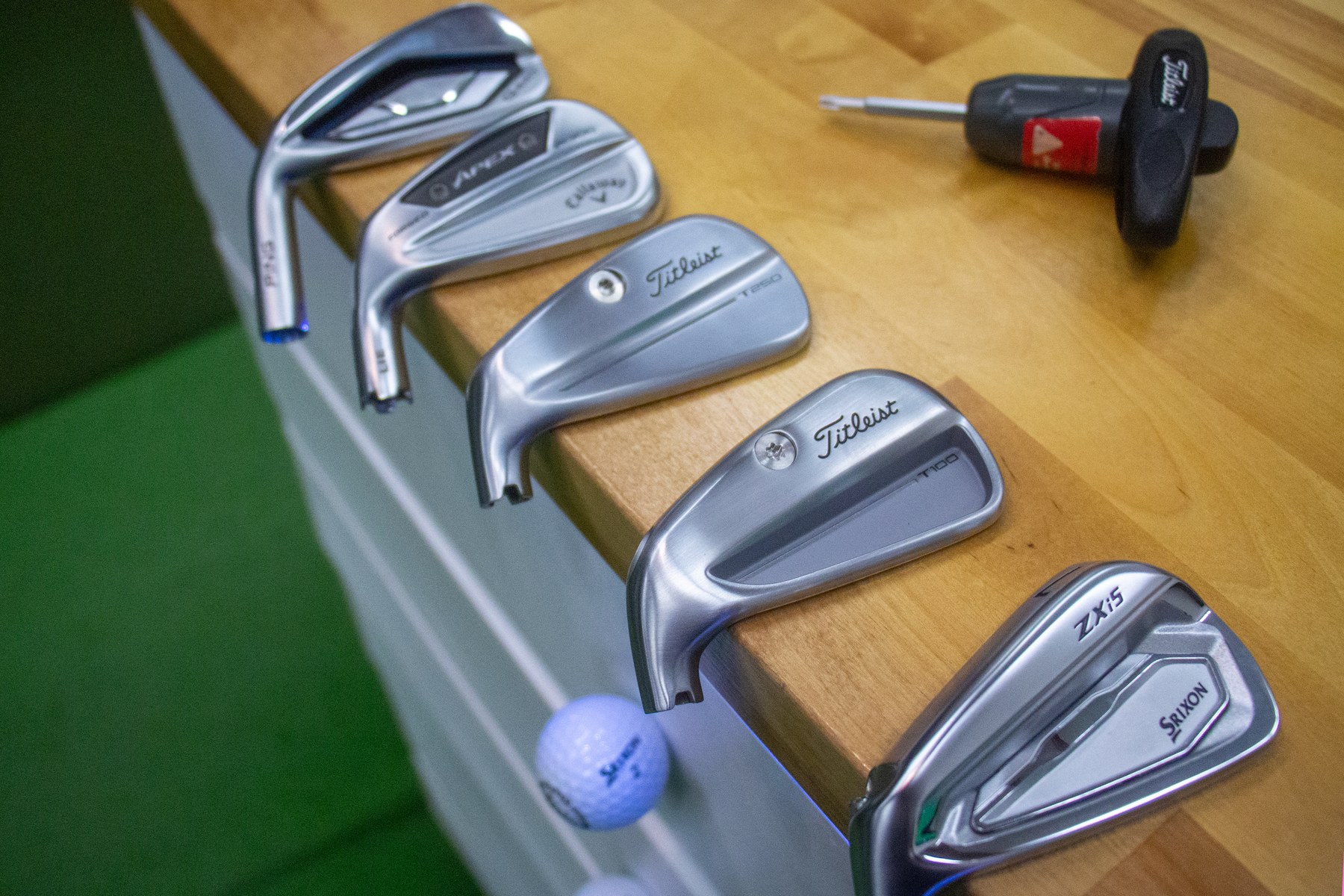
Different combinations may produce different responses from the same player. A label that suggests one type of launch or player is not enough to settle the choice.
We compare what you do with the club. That includes your feedback about appearance and feel.
If you dislike a head that produces promising data, there may be another way to pursue a similar result. If you strongly prefer one option, it is worth exploring whether the setup can make it a useful choice.
Confidence does not override an unreliable pattern, but discomfort should not be ignored because a screen contains one attractive result.
Find the longest iron that earns a place
The upper end of the iron set deserves particular attention. Some golfers produce distinct distances through the middle irons, then see their longer irons carry much the same distance.
That overlap can leave a club occupying space without providing another dependable shot. The explanation may involve the specifications, the contact, or difficulty producing the required flight.
A hybrid or higher-lofted fairway wood may be worth comparing. Checking the existing lofts may also be appropriate.
The decision should follow the result, not the assumption that an iron set must begin with a certain number. A mixed bag can be a sensible bag when each club has a clear role.
Revisit the pitching wedge transition
Changing the iron set can also change what you need from the wedges that follow it. Start by understanding the new pitching wedge’s typical carry and compare that with the next wedge.
Do not assume an old loft sequence remains right simply because it is familiar. The distances and shots matter more than making the labels look orderly.
An awkward gap may call for a different wedge arrangement, but it should be evaluated before adding a club. More wedges are not automatically a better setup.
This is one reason bringing the whole bag matters even when the appointment is called an iron fitting.
Include cost and build details in the decision
Stock shaft options deserve a fair test. If an upgrade is recommended, ask what improved and whether the added cost fits your priorities.
Before ordering, confirm the actual heads, shafts, set composition, grips, and relevant specifications. The recommendation should describe the equipment you will receive rather than only the name of a model.
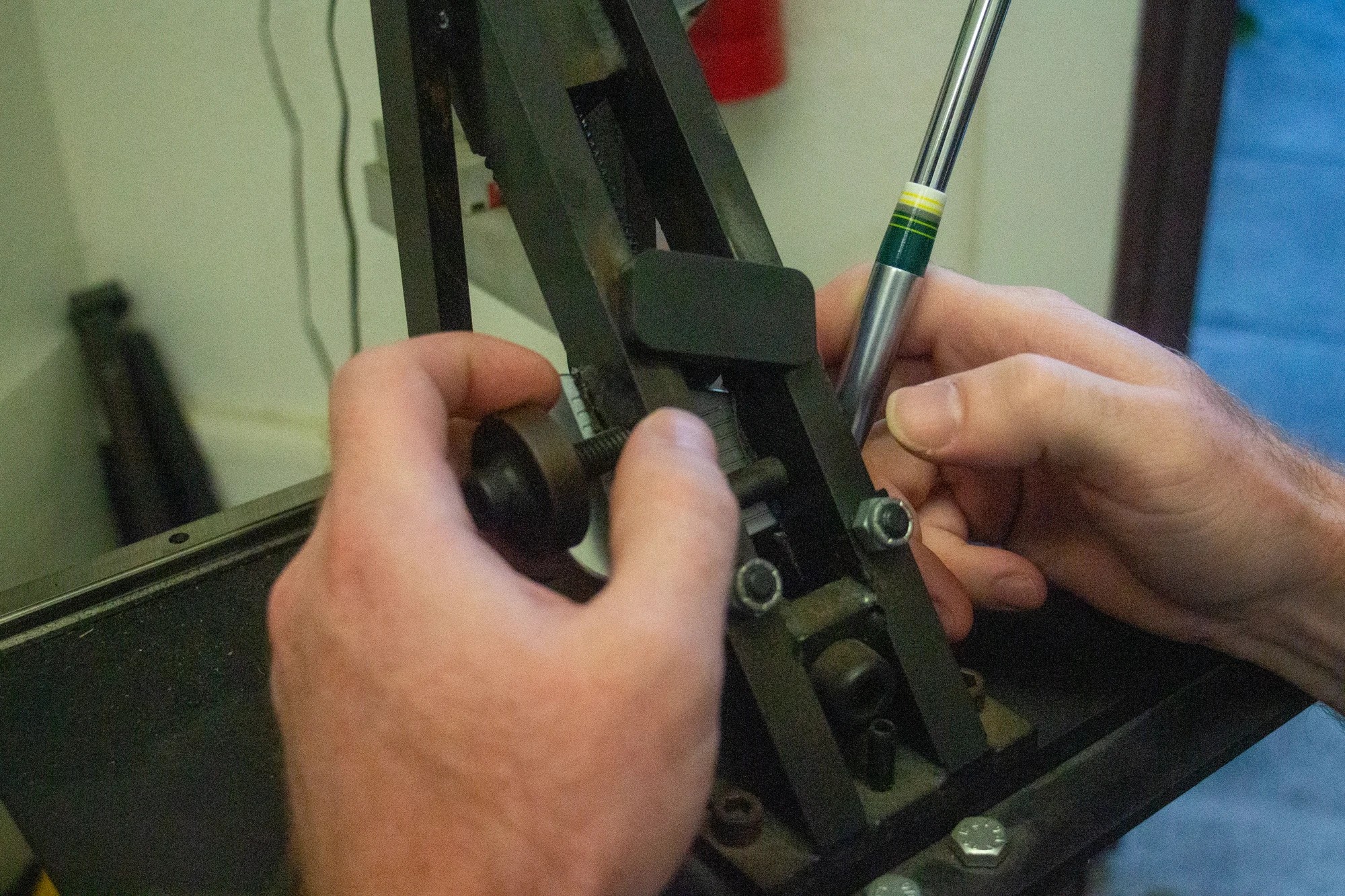
The shop checks finished clubs against the intended setup. That includes length, loft, lie, swing weight, and grips. These details matter whether the order is supplied by the manufacturer or built in-house; the fitting and the completed set need to remain connected.
Before committing to a set, ask about availability and the build route for your selected specifications. A specific shaft or grip preference is worth discussing early, particularly if you need the clubs before a trip. Confirm the actual timeline rather than assuming every configuration can be delivered at the same speed.
Learn the distances of the finished set
After receiving fitted clubs, customers can use a complimentary, self-directed hour on the launch monitor to learn carry distances. This is not another guided fitting or lesson.
Use representative shots to establish a practical reference. If you see an unexpected gap or a club that seems out of place, note it and discuss it with the shop rather than adjusting it yourself.
The best iron fitting conclusion is not simply that you hit a seven iron farther. It is that you understand why the set suits you, what each part of it does, and how to use the distances it provides.
Considering a new iron set? Call 510-337-1975 to arrange an iron fitting at Alameda Golfworks. Bring your full bag, not just your seven iron, so the set you choose makes sense alongside your longer clubs and wedges.
Explore our fitting and equipment services or learn about the shop. Get directions to 1710 Lincoln Avenue, Alameda, CA 94501.