
Driver Fitting in Alameda: Before Your Next Upgrade
Alameda Golfworks | Club fitting insights
Driver Fitting in Alameda: Before Your Next Upgrade
The longest drive in a fitting is easy to remember. It is also easy to give that one shot more importance than it deserves.
A driver needs to provide useful distance across the swings you actually make. If a new combination produces a standout shot but makes the rest of the pattern harder to manage, the fitting has uncovered a tradeoff, not an automatic winner.
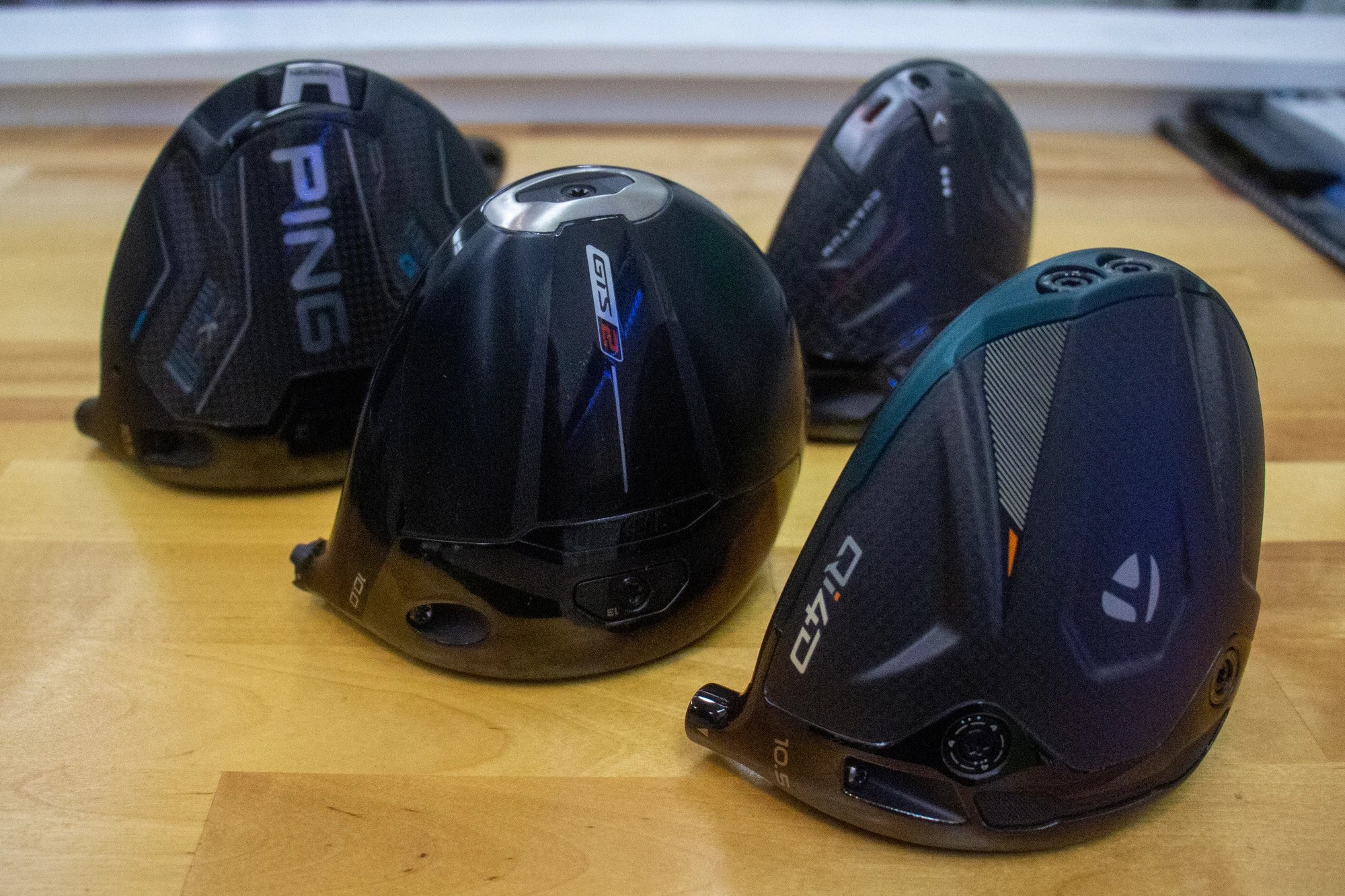
For Bay Area golfers shopping for a driver, Alameda Golfworks offers a place to compare the complete setup with what you currently play. We use GCQuad feedback alongside your response to the club. Distance matters. So do contact, flight, direction, and your ability to make a comfortable swing.
Define what is wrong with the current driver
Start with the problem you experience on the course. Is the main concern distance, an unpredictable miss, a flight you do not trust, or contact that varies more than you expect?
Those descriptions lead to different questions. A golfer who wants more distance but already has a manageable pattern may judge a change differently from someone who regularly leaves the driver in the bag.
You do not need to arrive with an answer such as less loft or a stiffer shaft. Let the current club establish its results before narrowing the possible explanations.
Also mention any current swing work. A substantial change in progress can affect whether this is the right time for a major equipment purchase.
Compare against the driver you know
After warming up, testing your current driver creates a baseline. It gives the alternatives something meaningful to improve upon.
Without that reference, a new club may seem good simply because the shot was good. A comparison helps separate enthusiasm for new equipment from an actual reason to change.
Bring the whole bag as well. Although driver fitting concentrates on one category, your other clubs and how you use them provide context for your game.
Tell us your usual ball model. The ball used during testing is another part of understanding the result.
Read the pattern rather than the highlight
GCQuad feedback helps us examine what happens across the test. The best strike matters, but so do the shots that resemble your ordinary golf.
Consider two hypothetical outcomes. One driver produces the longest single shot, while another provides a more useful collection of distances and directions. That does not prove the second is right for everyone. It shows why selecting only the longest ball would leave an important part of the decision out.
Ask how consistently the difference appears. Did one option receive several better swings? Does an apparent improvement remain when you compare representative shots?
A fitting cannot guarantee future fairways. It can help you understand whether a setup gives you a better reason to trust the driver.
Put spin and launch in context
Low spin is often presented as a desirable product feature. During fitting, lower is not a universal goal.
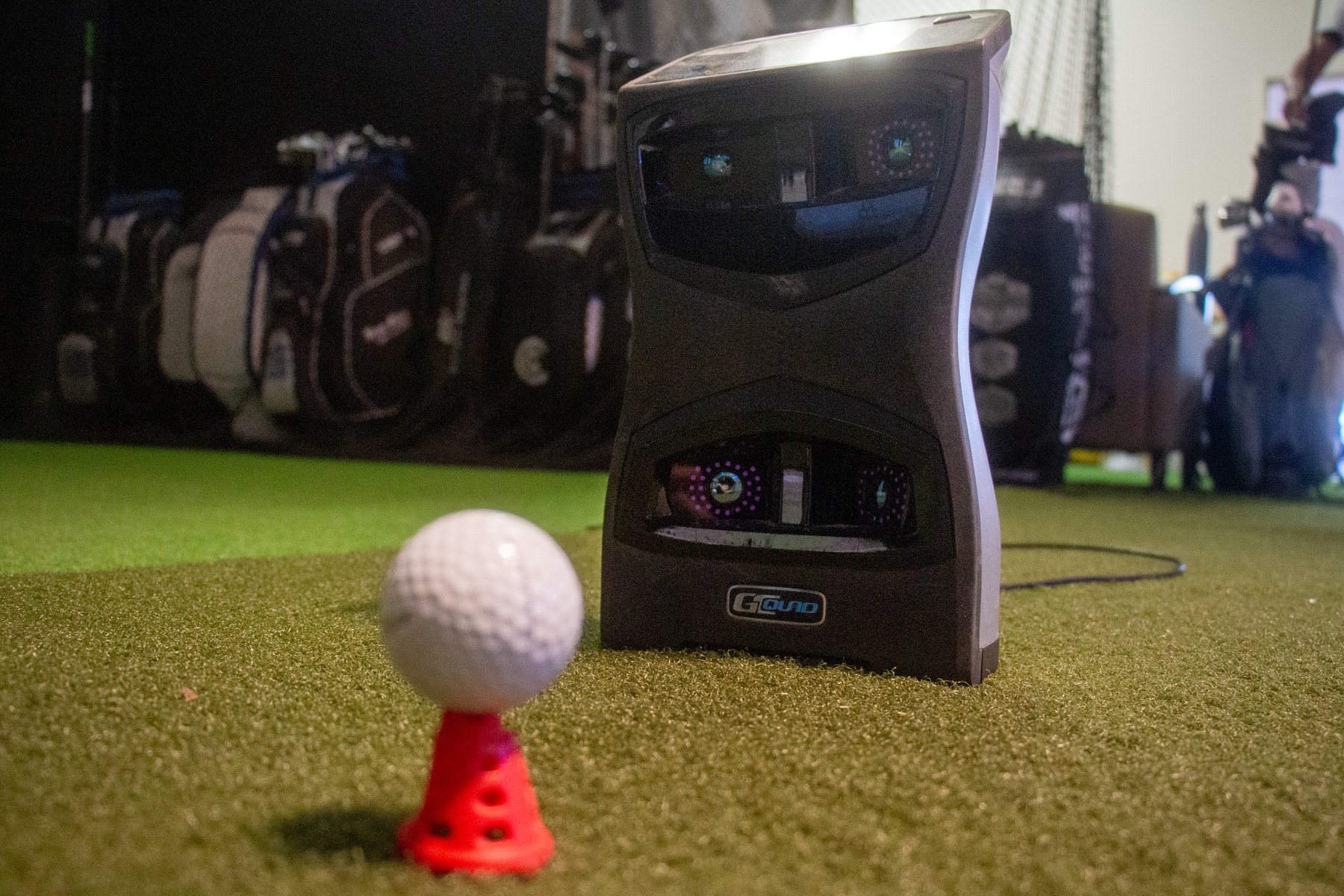
Spin belongs in the same conversation as launch, speed, strike, and the resulting flight. Chasing one number can distract from whether the driver is producing useful shots.
You do not need to memorize another player’s target. Their delivery and contact may differ from yours, and a number that works well in their setup may not establish anything about yours.
Ask what the proposed change accomplishes in your test. If the answer is only that a number is smaller, the explanation is not finished.
Do not let smash factor choose the club
Smash factor is ball speed divided by clubhead speed, as described in Foresight’s club-data definitions. It is useful information, but it does not describe the entire flight or direction of the shot.
A particularly strong reading on one swing is not enough to choose a driver. We want to understand the repeatable result, not simply identify which option produced the most impressive screen.
The same caution applies to any single measurement. A fitting recommendation should connect the numbers to what the club is meant to do.
Give feel and appearance a place
If a driver looks uncomfortable at address or feels difficult to swing naturally, say so. The fitting needs your feedback as well as the measurements.
We can compare alternatives that aim for a similar result in a form you prefer. Likewise, if you are interested in a particular head, it is reasonable to test whether an appropriate configuration works for you.
Preference is not a reason to ignore an unfavorable pattern. It is a reason to keep the comparison personal rather than treating a spreadsheet as the entire decision.
Understand the cost of the improvement
Stock shafts are the starting point in our approach. A premium option needs a reason beyond being more expensive or associated with a well-known player.
If an upgrade improves the result, ask what changed and what the additional cost is. An advantage can be real without being worth the same amount to every golfer.
There is also a legitimate keep-it outcome. If your current driver is already doing its job and the alternatives do not provide a worthwhile improvement, replacing it is not required.
That may leave room in the budget for a different part of the bag.
Leave knowing why you chose
Choosing the head is only part of the purchase. Confirm the shaft, playing length, grip, and relevant settings, along with the total price and expected order timing. If a component is unavailable, discuss the proposed alternative rather than assuming a similar label means the same setup. The club you order should preserve the reasoning behind the fitting.
Before ordering, be able to summarize the recommendation: the setup, what improved, how reliable the difference was, and any remaining tradeoff.
A driver fitting is most useful when the conclusion survives beyond the memory of the best shot.
Before buying your next driver, call 510-337-1975 to arrange a driver fitting at Alameda Golfworks. Bring your current driver, and mention any heads or shafts you want to compare so the shop can confirm availability before you travel to Alameda.
Explore our fitting and equipment services or learn about the shop. Get directions to 1710 Lincoln Avenue, Alameda, CA 94501.