When a Premium Golf Shaft Is Worth the Upgrade

    Golf fitting shafts arranged on the wall at Alameda Golfworks

    Alameda Golfworks | Fitting & Equipment Guides

    When a Premium Golf Shaft Is Worth the Upgrade
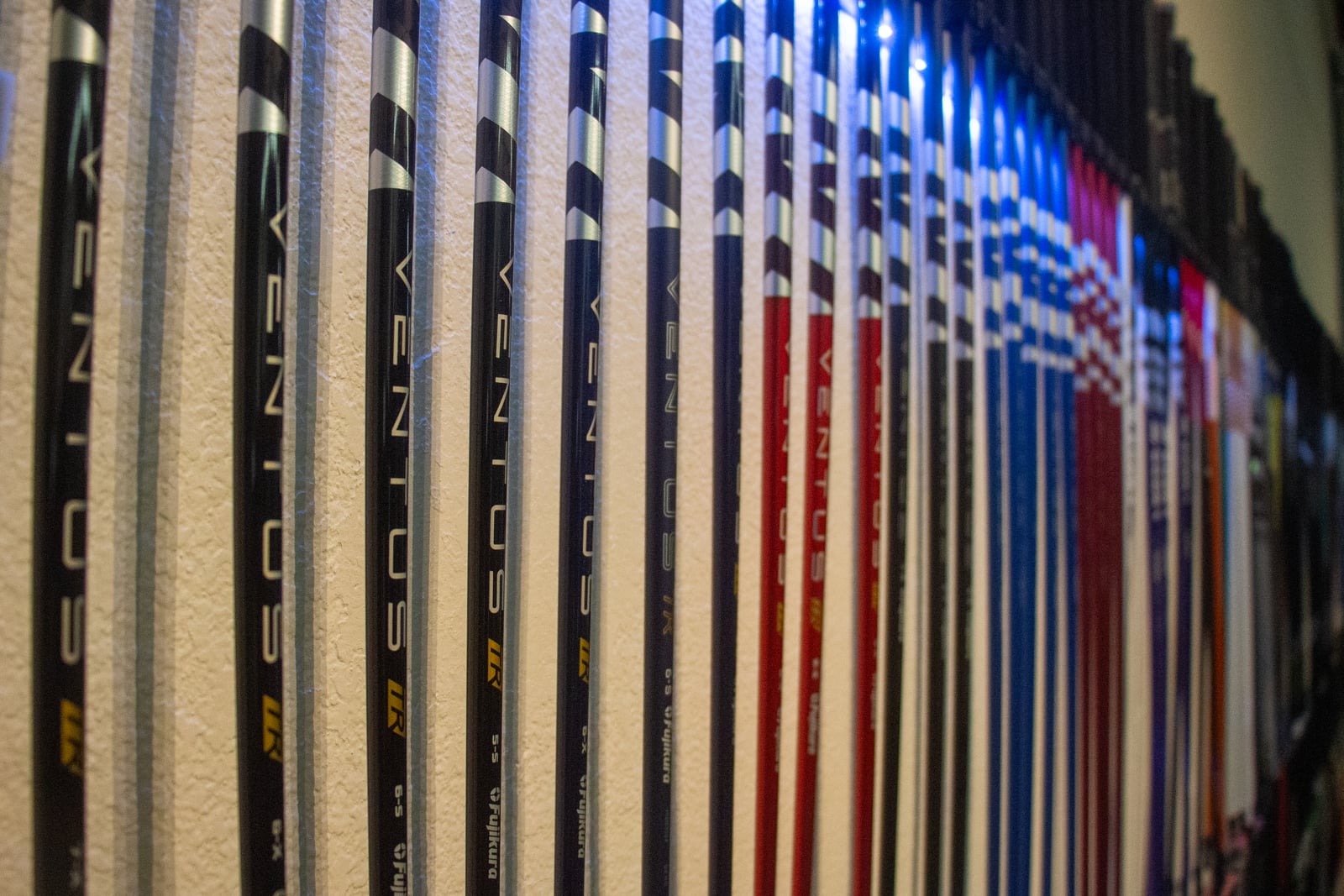
    Golf fitting shafts arranged on the wall at Alameda Golfworks
    Shaft options are compared as part of a complete club, not selected by the label alone.

    A shaft label can help describe a product. It cannot tell you how the finished club will perform when you swing it.

    The useful fitting question is not which flex sounds appropriate or which shaft is most expensive. It is which complete setup helps you produce the shots you need, at a cost you understand.

    At Alameda Golfworks, we start with stock options and compare the result. A premium shaft becomes relevant when it shows a benefit, not because an upgrade is assumed to be part of every fitting. For a golfer prepared to invest in the right setup, the question is what the additional choice delivers: a flight, shot pattern, or feel worth selecting over the baseline.

    Start with the whole club

    The shaft is used with a particular head and build. When you test, you are responding to that finished combination.

    That is why a result should not be reduced to one label. A golfer might like a shaft in one setup without establishing that it will be the right answer in every other club.

    Bring your current equipment so the comparison has a useful reference. Explain what feels difficult and what you hope to improve.

    Perhaps you want a different flight, more consistent contact, or a club that feels easier to swing naturally. Those are practical questions. Simply deciding that your current flex must be wrong does not identify the cause.

    Use labels to organize options rather than end the search

    Terms such as regular, stiff, or low launch can narrow a discussion, but your response still needs testing.

    Players do not always produce the result a product description might lead them to expect. A fitting should make room for that, rather than discarding a useful combination because it does not match an assumption about the golfer.

    Speed is relevant information, but it is not a complete recommendation. Strike, flight, and how comfortably you use the club all contribute to the comparison.

    You do not need a particular flex designation to validate your ability. The right label is less important than having a club that does a useful job.

    Give the stock offering a proper chance

    A stock shaft is not automatically an inferior choice. If it delivers the result you need, spending more may add little value.

    Our approach begins there because the purpose of a fitting is to identify suitable equipment, not to construct the most expensive order available.

    Ask what the baseline option is doing well before moving to an upgrade. That keeps the comparison honest.

    A useful stock result also gives a premium alternative something specific to improve upon. Without that reference, a higher-cost shaft can seem necessary simply because it was the only option seriously considered.
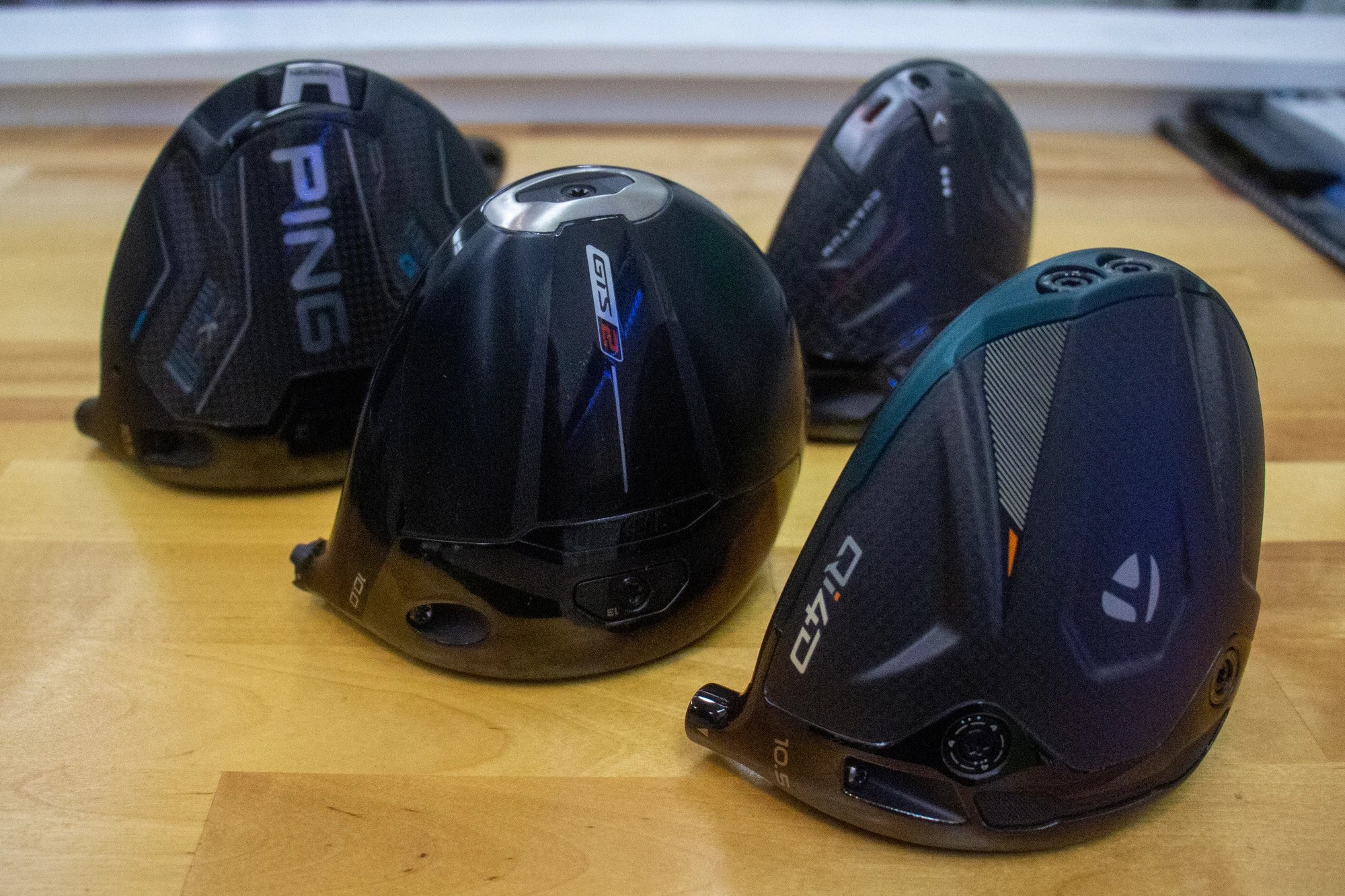
    Driver heads from several manufacturers at Alameda Golfworks
    Ask about current fitting availability for the specific heads and configurations you want to compare.

    Define what would justify an upgrade

    An upgrade should answer a question about performance or a preference that matters to you.

    Perhaps the comparison produces a more useful flight or a more manageable pattern. Perhaps a different feel helps you make a comfortable swing. Those observations deserve attention, but the test needs to show what changed.

    One particularly good shot is not enough to establish a reliable advantage. Ask whether the result appears across representative swings and whether the difference is meaningful for your game.

    A premium shaft that works well for someone else has not yet demonstrated value for you.

    Separate a measured benefit from a personal preference

    It is reasonable to prefer the feel of one setup. You do not have to invent a statistical improvement to explain that preference.

    At the same time, a pleasant sensation should not be presented as a measured performance gain if the comparison did not show one.

    A clear recommendation distinguishes the two. You can then decide whether the price difference is worthwhile without confusing what was observed with what you enjoyed.

    The same principle applies to cosmetic preferences. Personalization may be something you value, but it does not need a claim of extra distance to be legitimate.

    Understand the price difference before ordering

    Ask for the complete cost of the recommended setup, including any upcharge. Knowing that a component is premium is not the same as knowing what you will pay.

    An improvement can be real without being worth the same amount to every golfer. Your budget and priorities belong in that decision.

    If a larger equipment plan is stretching the budget, ask whether a different category should take priority. It may be more useful to retain a well-performing club and address a separate problem than to upgrade every component at once.

    A fitting should help you allocate money, not make every available option feel compulsory.

    Do not reshaft without identifying the purpose

    Replacing a broken shaft and changing a shaft to alter performance are different jobs.

    For a repair, the question may be how to restore a useful club. For a performance change, there should be evidence that the proposed combination addresses the issue.

    Also consider the club's overall value. Repairing one iron may preserve a useful set, while the cost of reshafting an older wood may make replacement worth discussing.

    Have the actual equipment assessed before deciding from the price of a component alone.

    Confirm the exact recommendation

    For Bay Area golfers evaluating a new set or a driver upgrade, shaft selection is best connected to the equipment purchase as a whole. Discuss which options can actually be tested and supplied, whether the selected build comes from the manufacturer or the shop, and how the finished specifications will be checked. A fitting recommendation should lead to an identifiable order, not just the name of a shaft to search for later.

    Before placing an order, review the specific shaft, head, and build details. A similar product name or the same flex label is not a complete description of what was tested.

    If the finished order differs from the test setup, ask why and make sure the reason is clear.

    The aim is not to become an expert in every shaft on the market. It is to understand the choice being made for your club and the evidence behind it.

    To discuss shaft options for your next club or set, call Alameda Golfworks at 510-337-1975. Review the shop's fitting approach and confirm specific test-component availability before your appointment.
    Alameda Golfworks | 1710 Lincoln Avenue, Alameda, CA 94501
    510-337-1975

    Full Bag Fitting and Planning Your Next Equipment Purchase

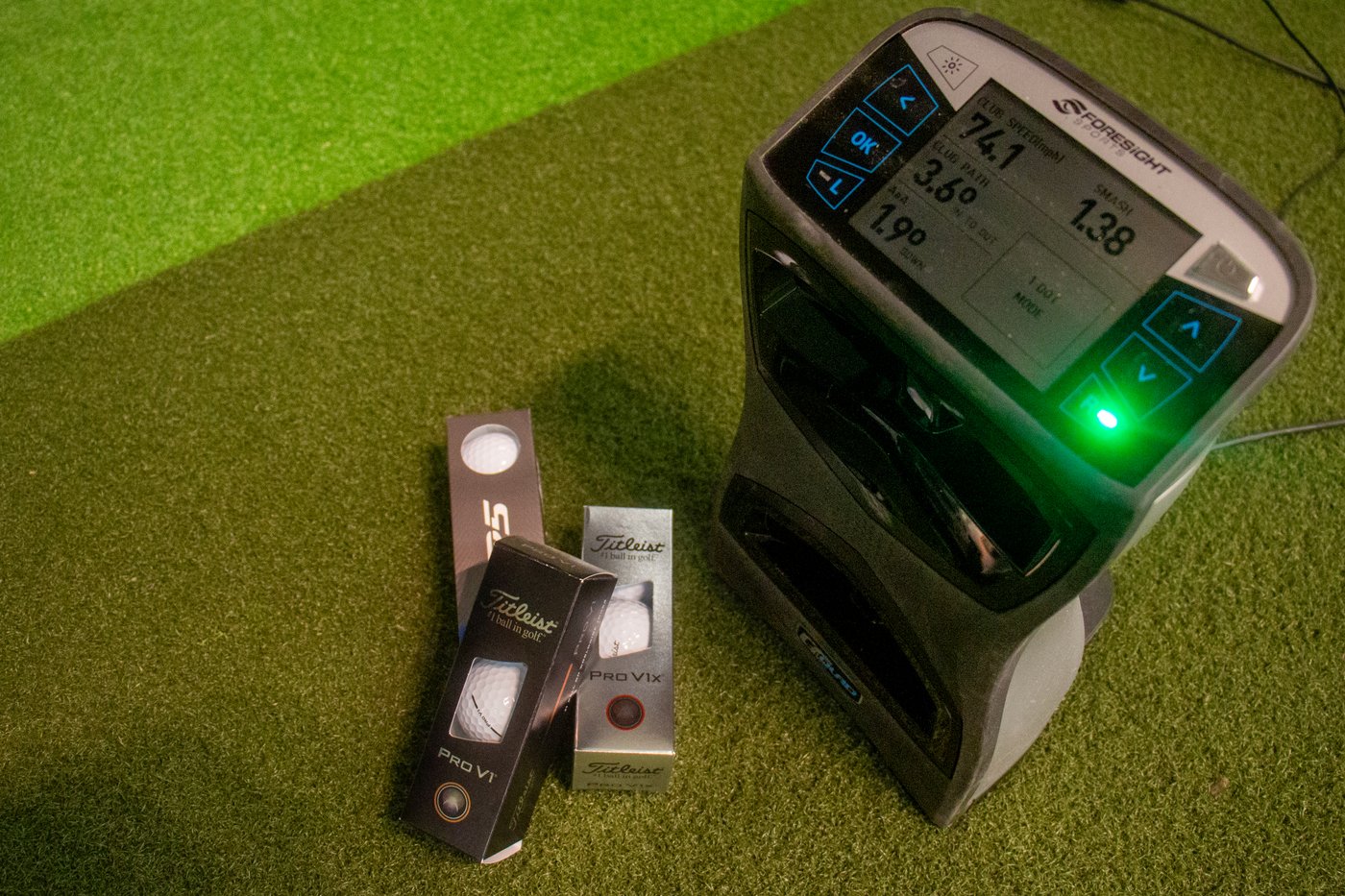
    GCQuad launch monitor displaying shot measurements at Alameda Golfworks

    Alameda Golfworks | Fitting & Equipment Guides

    Full Bag Fitting and Planning Your Next Equipment Purchase

    GCQuad launch monitor displaying shot measurements at Alameda Golfworks
    Equipment choices start with the shots you need, rather than a single model or label.

    A complete-looking set does not always provide a complete range of useful shots. Two clubs may carry much the same distance, while another part of the bag leaves you without a comfortable option.

    Gapping is the process of understanding those distances and deciding whether each club has a useful place. The goal is not a perfectly symmetrical chart. It is a bag you can make sensible decisions with during a round.

    For Bay Area golfers planning several equipment purchases, full-bag fitting offers a way to consider those decisions together. At Alameda Golfworks, set makeup follows the golfer's results and needs rather than a fixed expectation about which club numbers everyone should carry.

    An iron upgrade may change the wedge transition. A different long-club arrangement may make more sense than buying another long iron. Planning those relationships before ordering helps you choose a useful set, whether the purchase covers several categories or one carefully selected addition. The shop's full-bag fitting excludes putter fitting; confirm the appointment scope when calling.

    Begin with representative carry distances

    Carry is the distance the ball travels through the air before landing. Total distance also includes what happens afterward. When you are trying to understand gaps for landing near a target or carrying an obstacle, keep those ideas separate.

    Record typical results rather than the longest shot you have ever hit. If a club produces substantial variation, note that too.

    A precise-looking distance that represents only your best swing can be less useful than a realistic range. The aim is to understand the equipment you actually take to the course.

    You do not need perfect contact to begin, but avoid drawing a firm conclusion from one or two unusual shots.

    Identify overlap before buying another club

    Start by looking for neighboring clubs that do much the same job.

    This often becomes noticeable among longer irons. A golfer may produce useful separation through the middle of the set, then find that the longer irons no longer create distinct carries.

    That observation does not identify the cause on its own. The club specifications may deserve checking. Strike and the ability to produce useful launch and flight also matter.

    Adding a new club without understanding the overlap can simply create another version of the same problem.

    Compare long irons with other shapes

    A hybrid or higher-lofted fairway wood may be worth testing when a long iron does not earn its place. The choice should consider ball speed, launch, spin, strike, and confidence.

    Do not select a replacement solely by matching a printed loft. The question is what the actual club does for the golfer and whether it provides the needed shot.

    For example, a seven-wood or nine-wood may be a useful comparison for some players. It is not a rule that every player needs one.

    A bag does not have to use the same club shape throughout. The result should determine whether the combination is sensible.

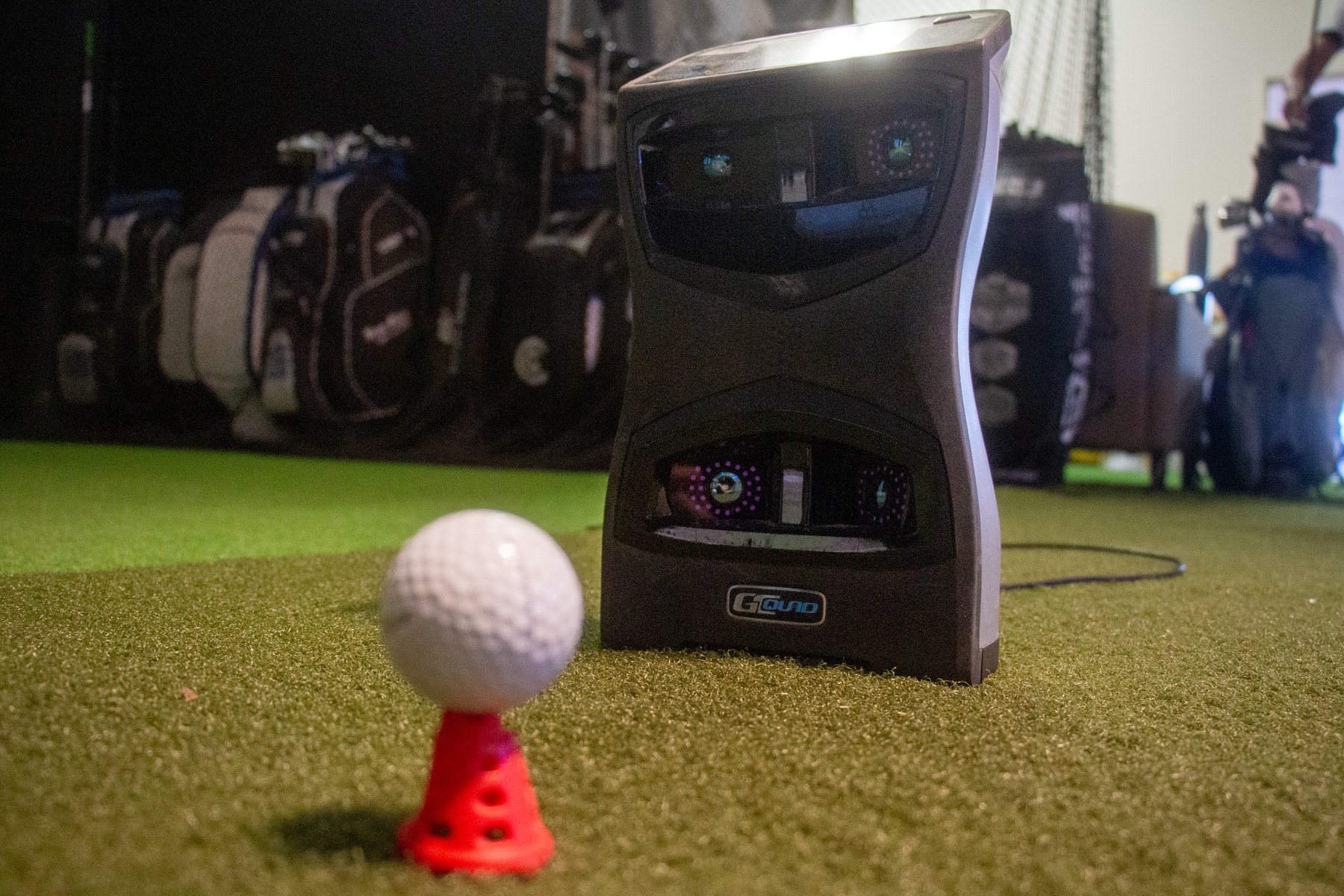
    GCQuad launch monitor beside a ball in the Alameda Golfworks fitting area
    GCQuad feedback helps put equipment comparisons and carry distances in context.

    Give the fairway wood a clear job

    Tell your fitter how you intend to use a longer club. A fairway wood used primarily from the tee may be judged differently from one you need for approaches from the ground.

    If you avoid a club in a common situation, explain that. A successful shot in another setting does not settle whether it solves the original problem.

    Indoor comparisons help assess flight and contact in that environment. They do not recreate every lie you will encounter during play.

    The recommendation should acknowledge the intended use rather than simply select the longest option in the fitting bay.

    Check the pitching wedge transition

    The bottom of the iron set deserves as much attention as the top.

    Understand what your pitching wedge normally carries and compare it with the next wedge. This becomes especially important after changing iron sets, because a familiar wedge arrangement may no longer provide the distances you need.

    An awkward gap does not automatically call for another wedge. A specification check or a different arrangement may be appropriate.

    The right number of wedges depends on the shots you need and how the rest of the bag is organized, not a standard loft sequence copied from another golfer.

    Think about distances and uses together

    A club may have value beyond a single full-swing carry number. The important thing is that you can explain why it belongs.

    When two clubs overlap in distance, ask whether they provide genuinely different useful shots or whether one is rarely chosen. That discussion should be grounded in how you play, not an invented reason to preserve every club.

    Conversely, a large-looking gap on a chart may not be your biggest practical issue. If another club is consistently unusable, that may deserve attention first.

    A gapping review is a way to prioritize decisions, not an instruction to rebuild the entire bag.

    Learn the actual fitted set

    An iron fitting commonly starts with a seven iron to narrow the setup. After the completed clubs arrive, it is useful to become familiar with the distances of the set you received.

    Customers who have received fitted clubs can use a complimentary, self-directed hour on the shop's launch monitor for this purpose. It is not a guided gapping appointment or another fitting lesson.

    Take a simple record of typical carries and any unexpected overlap. If something needs investigation, bring the observation back to the shop rather than trying to diagnose it from a single session.

    Discuss arrangements for the hour by phone.

    Use observations from the course

    A monitor session gives you a reference, while rounds provide additional context. Record which clubs you used, whether contact was representative, and what seemed different.

    Avoid treating one surprising result as proof that the specifications are wrong. A repeated pattern provides a better reason to ask for a check.

    If distances have changed unexpectedly, loft and lie evaluation may be part of the conversation. Any adjustment needs to suit the specific club and should be assessed by the shop.

    Aim for a bag you understand

    Before placing a multi-club order, review the proposed set as a whole. Which clubs are new, which stay, and what role should each fill? Confirm the heads, shafts, grips, specifications, total cost, and availability. A coordinated purchase does not require every club to be the same brand or every component to carry an upcharge. It requires a clear explanation of how the pieces work together for you.

    The most useful result is knowing the normal role of each club and where uncertainty remains.

    You may decide to replace a long iron, reconsider wedges, adjust a suitable club, or keep the current set. The recommendation should explain why.

    Planning a new set or changes across several categories? Call Alameda Golfworks at 510-337-1975 to discuss a full-bag fitting. Explain your purchase goals when arranging the visit, and bring your full bag so the comparison includes what already works.

    Alameda Golfworks | 1710 Lincoln Avenue, Alameda, CA 94501
    510-337-1975

    Iron Fitting in Alameda: Choosing Your Next Set

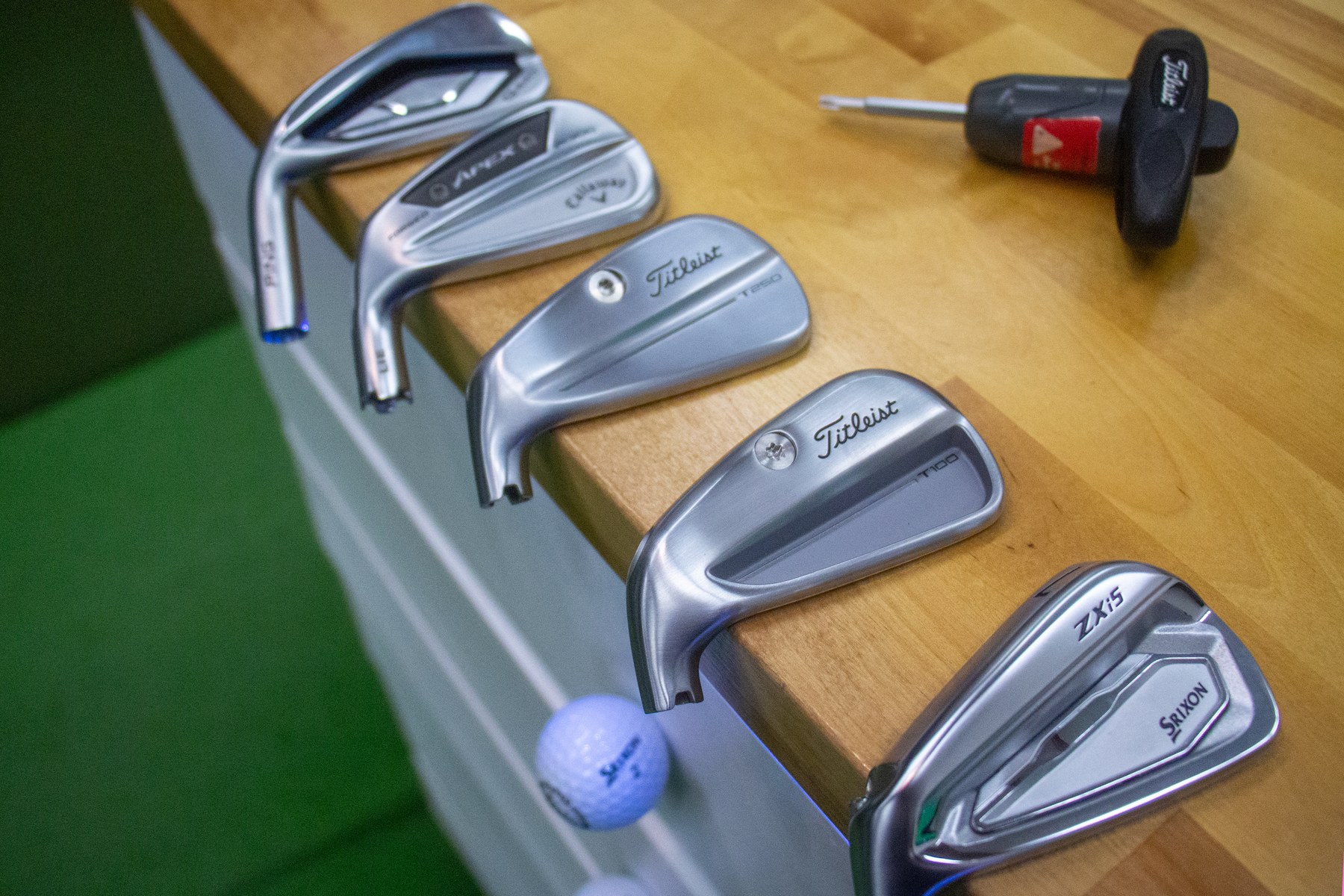
    Iron heads from several manufacturers on the Alameda Golfworks fitting bench

    Alameda Golfworks | Club fitting insights

    Iron Fitting in Alameda: Choosing Your Next Set

    Iron heads from several manufacturers on the Alameda Golfworks fitting bench

    A longer seven iron can look like an obvious improvement. Before choosing a new set, ask whether that extra distance helps you play the shots irons are meant to cover.

    Irons need predictable carry distances, useful flight, and sensible separation from one club to the next. A set that produces an impressive maximum distance but leaves you uncertain about ordinary shots has not necessarily solved the right problem.

    An iron set is a substantial equipment decision. At Alameda Golfworks, we help Bay Area golfers connect the test club with the set they intend to purchase: the head and shaft combination, useful set composition, relevant specifications, and transitions into the rest of the bag. GCQuad feedback supports the comparison, while your experience of the club remains part of the decision.

    Explain the iron problem before choosing a category

    A golfer may arrive asking for more distance when the more frustrating issue is variation. Another may want a different-looking head even though the real difficulty is getting a long iron into the air.

    Tell your fitter what you experience. Which irons do you trust? Which do you avoid? Are you frequently between clubs, or surprised by how far a reasonably solid shot travels?

    Those observations help keep the fitting focused. A product category or a handicap label does not substitute for learning what you need the clubs to do.

    Also explain your practice and instruction plans. We want a recommendation that makes sense in the context of your game, without pretending we can fit a future swing that has not developed yet.

    Understand why testing often starts with a seven iron

    After warming up, an iron fitting commonly begins with your current seven iron. That provides a familiar reference for contact and flight before we compare alternatives.

    Using one iron initially lets us narrow combinations without changing every part of the question at once. It does not mean the entire set has been individually tested because one club performed well.

    The fitting still needs to consider the top and bottom of the set. A useful seven iron is a starting point for those decisions, not a reason to ignore them.

    Bring your full bag so the current set and surrounding clubs remain part of the conversation.

    Distinguish more distance from more useful distance

    Reliable distance gives you something to plan around. If one iron repeatedly produces a useful carry and another occasionally travels much farther, the comparison needs more context than the longest number.

    GCQuad feedback helps us look at launch, spin, speed, and flight alongside strike. These measurements contribute to the question of how the ball gets to its distance and whether the result suits the golfer.

    An iron also needs a flight that can be useful on approaches. Chasing distance while disregarding the ability to stop near a target is an incomplete fitting goal.

    There is no universal set of numbers every golfer should pursue. Ask why a result is appropriate for your speed, contact, and intended shots.

    Compare the clubs you can actually use

    Different combinations may produce different responses from the same player. A label that suggests one type of launch or player is not enough to settle the choice.

    We compare what you do with the club. That includes your feedback about appearance and feel.

    If you dislike a head that produces promising data, there may be another way to pursue a similar result. If you strongly prefer one option, it is worth exploring whether the setup can make it a useful choice.

    Confidence does not override an unreliable pattern, but discomfort should not be ignored because a screen contains one attractive result.

    Find the longest iron that earns a place

    The upper end of the iron set deserves particular attention. Some golfers produce distinct distances through the middle irons, then see their longer irons carry much the same distance.

    That overlap can leave a club occupying space without providing another dependable shot. The explanation may involve the specifications, the contact, or difficulty producing the required flight.

    A hybrid or higher-lofted fairway wood may be worth comparing. Checking the existing lofts may also be appropriate.

    The decision should follow the result, not the assumption that an iron set must begin with a certain number. A mixed bag can be a sensible bag when each club has a clear role.

    Revisit the pitching wedge transition

    Changing the iron set can also change what you need from the wedges that follow it. Start by understanding the new pitching wedge’s typical carry and compare that with the next wedge.

    Do not assume an old loft sequence remains right simply because it is familiar. The distances and shots matter more than making the labels look orderly.

    An awkward gap may call for a different wedge arrangement, but it should be evaluated before adding a club. More wedges are not automatically a better setup.

    This is one reason bringing the whole bag matters even when the appointment is called an iron fitting.

    Include cost and build details in the decision

    Stock shaft options deserve a fair test. If an upgrade is recommended, ask what improved and whether the added cost fits your priorities.

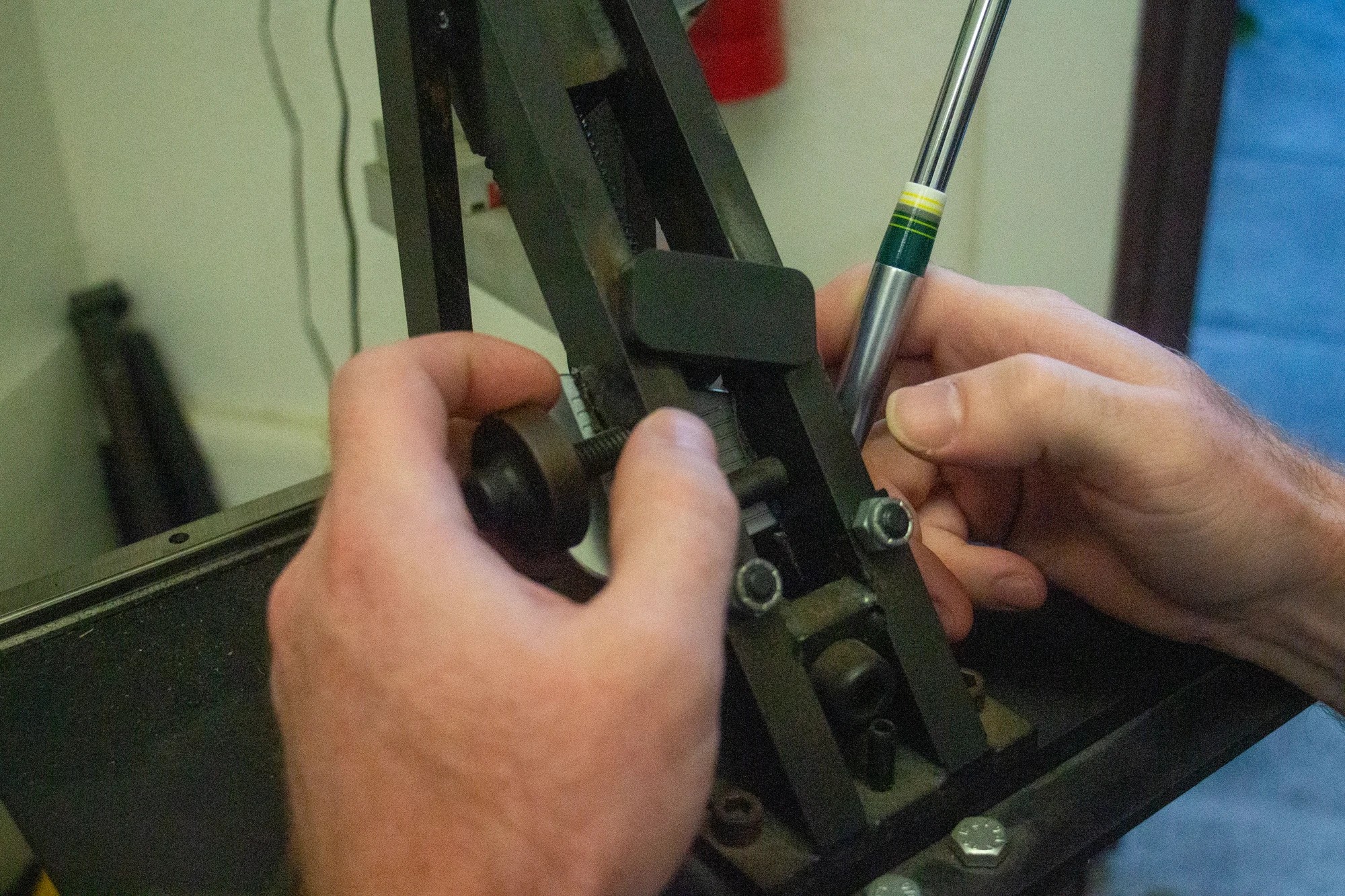
    Hands measuring a golf club at the Alameda Golfworks workbench
    The fitting recommendation carries through to the finished club specifications.

    Before ordering, confirm the actual heads, shafts, set composition, grips, and relevant specifications. The recommendation should describe the equipment you will receive rather than only the name of a model.

    The shop checks finished clubs against the intended setup. That includes length, loft, lie, swing weight, and grips. These details matter whether the order is supplied by the manufacturer or built in-house; the fitting and the completed set need to remain connected.

    Before committing to a set, ask about availability and the build route for your selected specifications. A specific shaft or grip preference is worth discussing early, particularly if you need the clubs before a trip. Confirm the actual timeline rather than assuming every configuration can be delivered at the same speed.

    Learn the distances of the finished set

    After receiving fitted clubs, customers can use a complimentary, self-directed hour on the launch monitor to learn carry distances. This is not another guided fitting or lesson.

    Use representative shots to establish a practical reference. If you see an unexpected gap or a club that seems out of place, note it and discuss it with the shop rather than adjusting it yourself.

    The best iron fitting conclusion is not simply that you hit a seven iron farther. It is that you understand why the set suits you, what each part of it does, and how to use the distances it provides.

    Considering a new iron set? Call 510-337-1975 to arrange an iron fitting at Alameda Golfworks. Bring your full bag, not just your seven iron, so the set you choose makes sense alongside your longer clubs and wedges.

    Explore our fitting and equipment services or learn about the shop. Get directions to 1710 Lincoln Avenue, Alameda, CA 94501.

    Alameda Golfworks | 1710 Lincoln Avenue, Alameda, CA 94501
    510-337-1975

    Club Fitting in Alameda: A Bay Area Golfer’s Guide

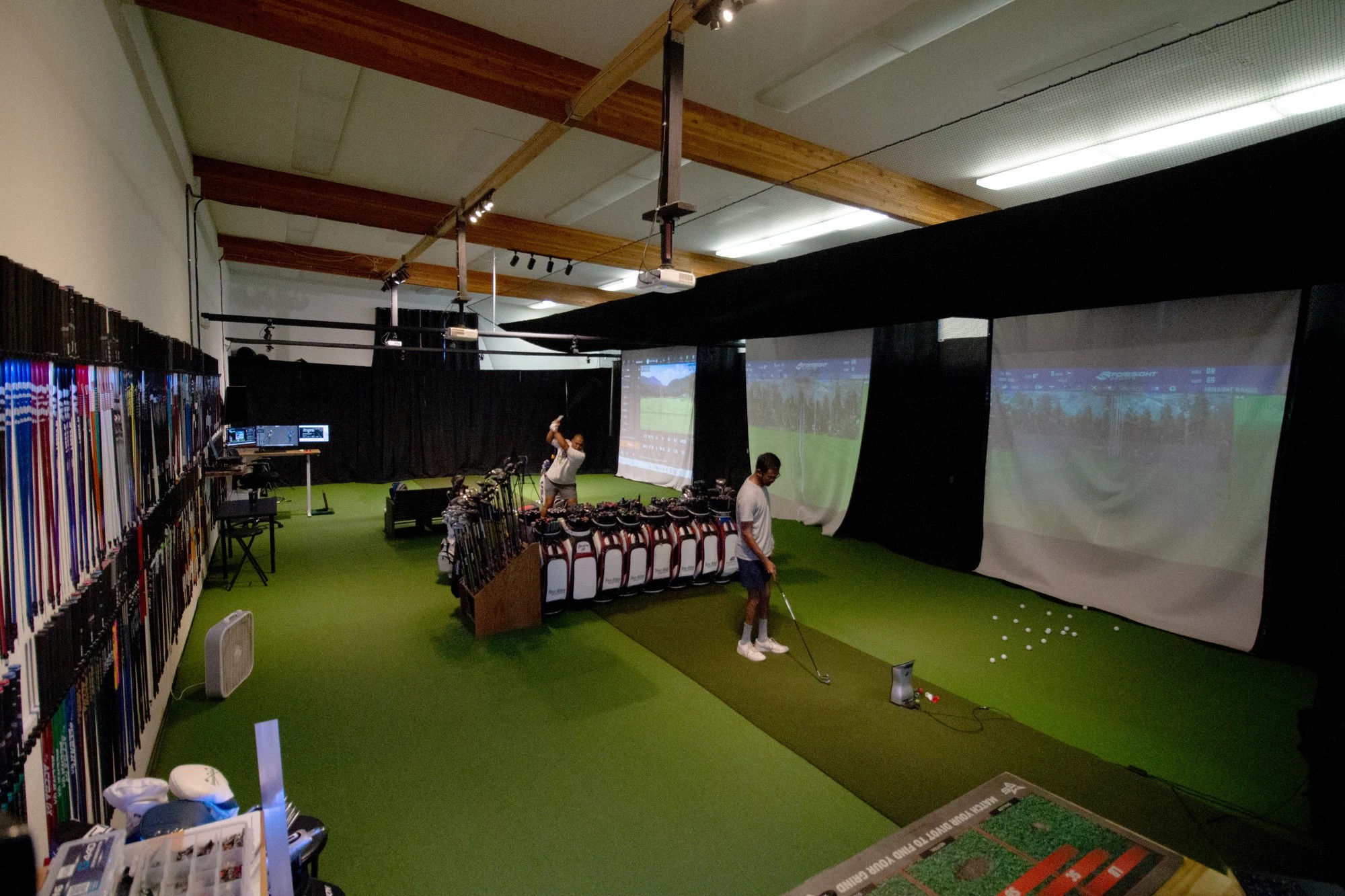
    Indoor club fitting bays and equipment at Alameda Golfworks

    Alameda Golfworks | Club fitting insights

    Club Fitting in Alameda: A Bay Area Golfer’s Guide

    Indoor club fitting bays and equipment at Alameda Golfworks

    A club fitting should help you make a better equipment decision. That may mean a new driver, a different iron setup, an adjustment to clubs you already own, or confirmation that part of your bag is working well.

    For Bay Area golfers considering a new set or a significant equipment upgrade, a fitting should connect the comparison in the bay with the clubs you eventually receive. At Alameda Golfworks, that means starting with your current equipment, using GCQuad feedback to compare alternatives, and carrying the chosen specifications through to the finished clubs.

    We listen to how the clubs feel and explain what makes a change worthwhile. The aim is a purchase you understand and can use confidently, with a clear reason for each part of the setup. Where an existing club already does its job, it can remain part of the plan.

    That approach applies whether you are learning the game or preparing for competitive golf. The details of the recommendation change with the player; the standard for making it should not.

    Start with the problem you want to solve

    You can focus on a driver or iron set, or discuss a full-bag fitting when several categories need attention. A coordinated plan matters when a new iron set changes the distances you need from hybrids and wedges. The shop’s full-bag fitting excludes putter fitting; explain your priorities when calling so the appointment matches the work you want to do.

    You do not need to arrive knowing which shaft or head you need. In fact, a description of the problem is often more useful than a proposed solution.

    Perhaps your driver has become difficult to trust. Maybe your longer irons seem to travel the same distance, or a new pitching wedge has left an awkward gap before your next wedge. Explain what happens during play and what you would like to improve.

    We also want to know how often you play and practice, whether you take lessons, and what you hope to do next. A golfer making a major swing change may need a different timeline from someone whose equipment no longer suits an established game.

    Tell us your budget early. It helps distinguish an immediate priority from an optional change, and it keeps the recommendation connected to a decision you can realistically make.

    Establish a baseline with your current clubs

    After warming up, you will normally start with your own club in the category being evaluated. An iron fitting commonly begins with a seven iron; a driver fitting starts by learning what your current driver produces.

    This baseline gives the comparison meaning. A new club may deliver an impressive shot, but the useful question is whether it improves on equipment you already understand.

    Bring your full bag, even for a single-category appointment. A club can perform well by itself and still duplicate something else in the set. The clubs around it help explain the role it needs to fill.

    If you do not own suitable current equipment, discuss that when booking. A baseline is useful context, not an entrance requirement for learning about your options.

    Use GCQuad to understand the result

    The shop uses GCQuad launch-monitor feedback to help evaluate strike and flight. Ball speed, launch, spin, and other information help us compare combinations and narrow the options.

    GCQuad launch monitor beside a golf ball in the Alameda Golfworks fitting area
    GCQuad feedback supports comparisons between club combinations.

    The numbers serve the equipment question. With irons, reliable carry distance and a useful flight matter more than simply hitting one farther. With a driver, extra distance should be considered alongside the shot pattern and how manageable the misses are.

    There is no single number that identifies the best club for every player. Ask what changed and why that change matters for the shots you want to hit.

    A fitting is not a contest to produce a personal record. Several representative swings tell a more useful story than one exceptional strike.

    Include feel and confidence in the comparison

    Appearance, sound, and feel belong in the conversation. If a club performs well but you dislike looking down at it, say so. We can explore whether another option produces similarly useful results in a form you prefer.

    The same principle works in the other direction. If you love a particular head, it is reasonable to test whether an appropriate setup helps it perform well for you. Preference deserves consideration, but it does not erase a meaningful performance tradeoff.

    Describe your response in ordinary language. You do not need to identify a technical cause before explaining that a club feels uncomfortable or difficult to swing naturally.

    The aim is equipment you understand and want to use, supported by results you can explain.

    Give stock options a fair chance

    A fitting does not automatically require premium components. Our approach is to test stock shaft options first and consider added cost when another option provides a benefit.

    That benefit should be clear. It might involve a more suitable flight or a more useful pattern of shots. If the comparison does not show a meaningful advantage, the more expensive option has not earned its place merely by being available.

    You can also make changes in stages. Keeping a useful driver while addressing a problem elsewhere is a sensible equipment decision, not an incomplete purchase.

    Understand what the setting can establish

    Indoor testing gives us a controlled place to compare equipment, but it does not recreate every shot on a course.

    Wedges are an important example. We can discuss distances, delivery, and the shots you need, but an indoor session does not show actual bunker shots or contact from rough. Those limits belong in the recommendation.

    Similarly, equipment cannot remove every swing inconsistency. A fitting can help identify a suitable setup without promising that every subsequent shot will be good.

    Know the next step before you leave

    Before placing an order, ask for a plain-language explanation of the recommendation:

    • What improved over the current equipment?
    • How repeatable was the difference?
    • What is the exact setup and complete cost?
    • Which clubs can stay in the bag?
    • What should happen after the new equipment arrives?

    Finished clubs are checked against the intended specifications. After receiving fitted clubs, customers can also use a complimentary, self-directed hour on the launch monitor to learn their carry distances. That hour is not another guided fitting or lesson.

    A useful fitting leaves you clearer about your equipment, whether you buy immediately, take time to decide, or keep what you have.

    Planning a driver upgrade, an iron set, or a more complete equipment purchase? Call 510-337-1975 to discuss club fitting at Alameda Golfworks. Tell us which parts of the bag you want to evaluate and any specific models you hope to compare, so we can confirm appointment scope and availability before your visit to 1710 Lincoln Avenue in Alameda.

    Explore our fitting and equipment services or learn about the shop. Get directions to 1710 Lincoln Avenue, Alameda, CA 94501.

    Alameda Golfworks | 1710 Lincoln Avenue, Alameda, CA 94501
    510-337-1975