
Alameda Golfworks | Fitting & Equipment Guides
From Club Fitting to Your Finished Set
A fitting recommendation needs to become the right finished equipment, and the finished equipment needs to make sense when you use it.
That is why the process should not end with selecting a head and shaft. Ordering details, build checks, learning distances, and follow-up questions all matter.
For Bay Area golfers choosing where to purchase fitted clubs, what happens after the comparison is an important part of the decision. At Alameda Golfworks, the goal is to connect the fitting recommendation with the order, finished specifications, and golf you play afterward. That connection matters whether you are buying one club or investing in a complete set.
Understand the recommendation before ordering
Ask for a clear account of what you selected and why. That includes the heads, shafts, set makeup, grip choice, and any relevant build specifications.
You should also know what improved over the current equipment and whether there is a tradeoff. A memory of one excellent shot is not a substitute for understanding the decision.
Confirm the complete cost, including any options that add to it. If you are making changes in stages, be clear about what is being ordered now and what remains only a possibility.
You do not have to purchase immediately. If you plan to order later, reconfirm equipment availability, prices, and any applicable fitting credit before relying on the original arrangement.
Let the specification determine the build route
Some fitted clubs are ordered from the manufacturer. Others are built in-house at the shop.
The choice depends on what is needed to deliver the recommended setup. A manufacturer order may be appropriate when it can supply the specification. An in-house build may be useful for a shaft choice, swing-weight requirement, or personalization not available through that route.
Neither route is automatically better for every customer. The question is whether it delivers the equipment that was agreed upon.
Cosmetic preferences can also be part of an order. They should be explained as preferences rather than represented as performance improvements without evidence.
Ask about the actual order timeline
Availability can differ among components and configurations. Ask about timing for your order rather than assuming every set arrives on the same schedule.
If you need the clubs for a trip or event, discuss that before ordering. A deadline is useful information, but it does not create a guarantee that the equipment can be supplied by then.
If an alternative component is suggested because of availability, understand the difference before approving it. A similar name or the same flex label does not fully explain a substitution.
The aim is to preserve the reasoning behind the fitting rather than make changes invisibly.
Check the completed clubs
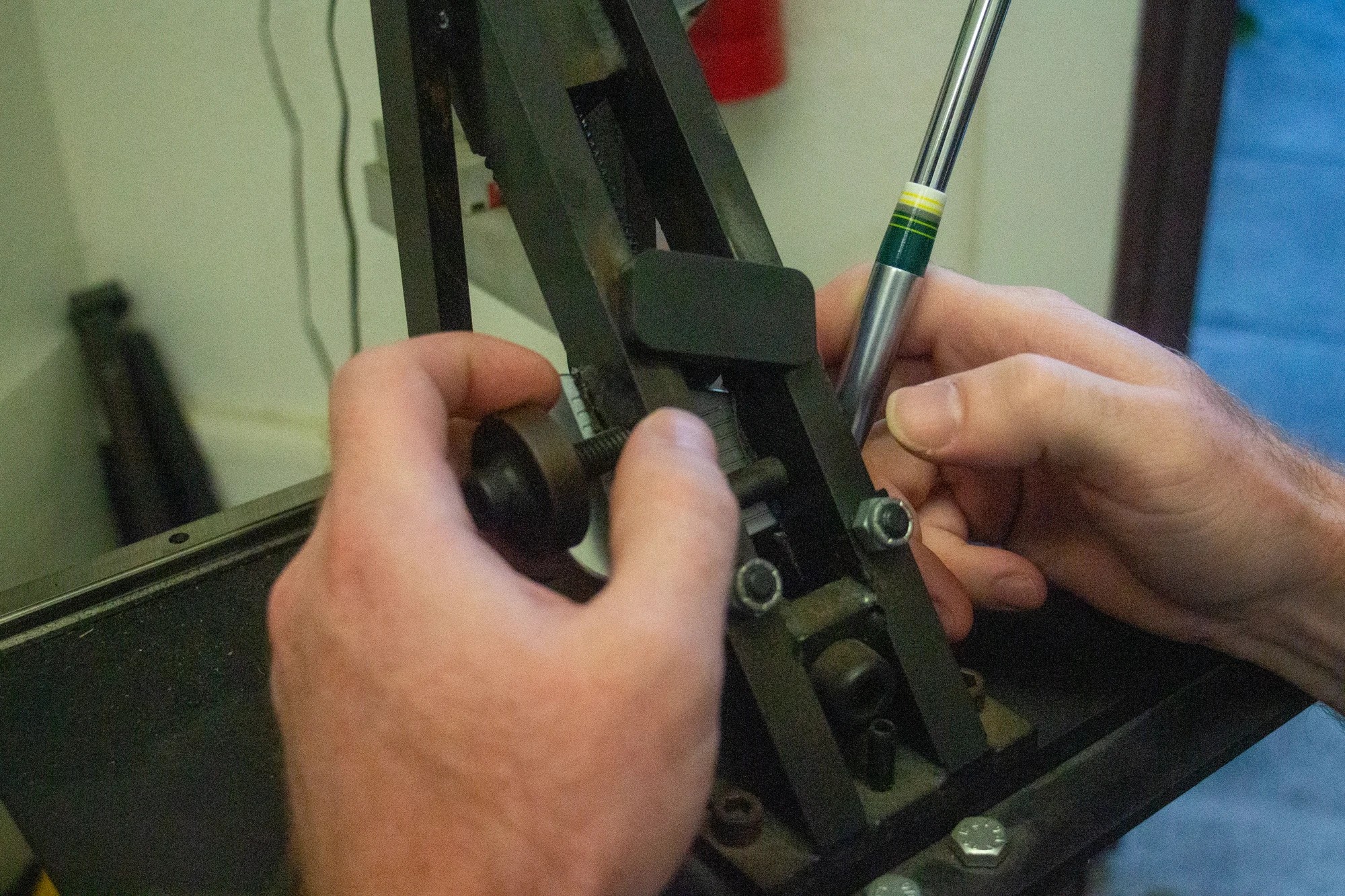
The shop checks finished specifications, including length, loft, lie, swing weight, and grips.
These checks connect the ordered equipment with the setup intended for the golfer. They are relevant whether the clubs were assembled by the manufacturer or in-house.
You do not need to become a club builder to ask what was checked. A brief explanation can help you understand the set and make future conversations more precise.
If something about the delivered equipment seems different from what you expected, raise the question before making your own changes.
Learn the distances of the actual set
Do not assume every numbered iron carries the same distance as its counterpart in the old set. Learn what the finished clubs normally produce.
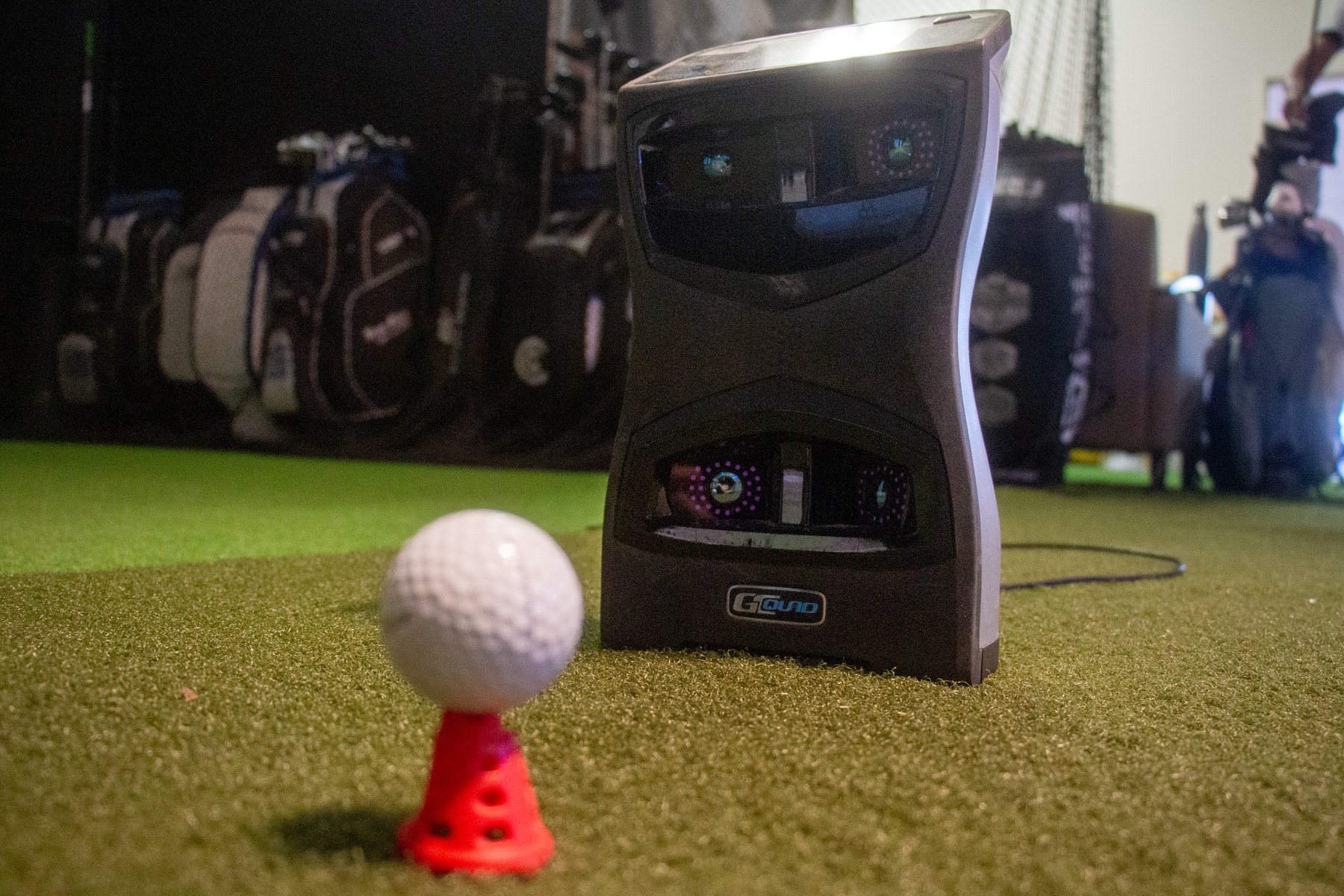
After receiving fitted clubs, customers can use a complimentary, self-directed hour on the launch monitor to learn carry distances.
Self-directed is important: this is not another guided fitting, a lesson, or an hour of one-to-one analysis. Call the shop to arrange the session and clarify practical questions.
Use representative shots to build a useful reference. Record a typical carry and any substantial variation rather than selecting only the longest result.
Give extra attention to the transitions
The top of the iron set and the move from pitching wedge into specialty wedges are worth noting.
If two clubs overlap or a space seems unusually difficult to cover, write down the observation. Do not immediately conclude that the equipment needs altering.
The monitor session gives you a starting reference. Rounds then add information about the situations in which you choose each club and the shots you can use confidently.
A set is easier to evaluate when you know its ordinary distances rather than relying on the expectations attached to the old one.
Bring course differences back to the shop
If the clubs behave differently on the course than during fitting, describe the concern specifically.
Which club is involved? Is the issue carry, direction, contact, or feel? What ball were you using, and was the shot from a representative lie?
You do not need perfect records. A clear account simply gives the shop more to investigate than a general impression that the equipment is wrong.
The follow-up can include comparing monitor results and checking specifications. It should establish what needs attention rather than assume the answer is replacement or tell you to ignore the issue.
Understand what ongoing checks include
For clubs fitted and purchased through Alameda Golfworks, no-charge loft and lie checks are available for the life of those clubs while you own them.
This is a specific policy about checks. It does not make every repair, shaft change, adjustment, or replacement grip free.
Ask about proposed work and costs before proceeding. Clear service expectations are part of a useful relationship with the shop.
Grips and other wear items still need attention over time, even when the underlying fitted setup remains suitable.
Keep the fitting information useful
Retain the details of the equipment and your normal distances. If something changes later, those notes can help explain what is different.
You may never need a major follow-up. The value is knowing that the fitting decision, the build, and later performance questions can be connected.
A successful purchase is not just a set of new clubs. It is equipment you understand, with a clear reason for the setup and a sensible way to address questions.
If you are considering a fitted set, call Alameda Golfworks at 510-337-1975 to discuss the fitting and equipment process, your intended specifications, and purchase timeline. Existing customers can use the same number for order questions, the self-directed monitor hour, or follow-up on fitted clubs.

Leave a Reply