
When a Premium Golf Shaft Is Worth the Upgrade
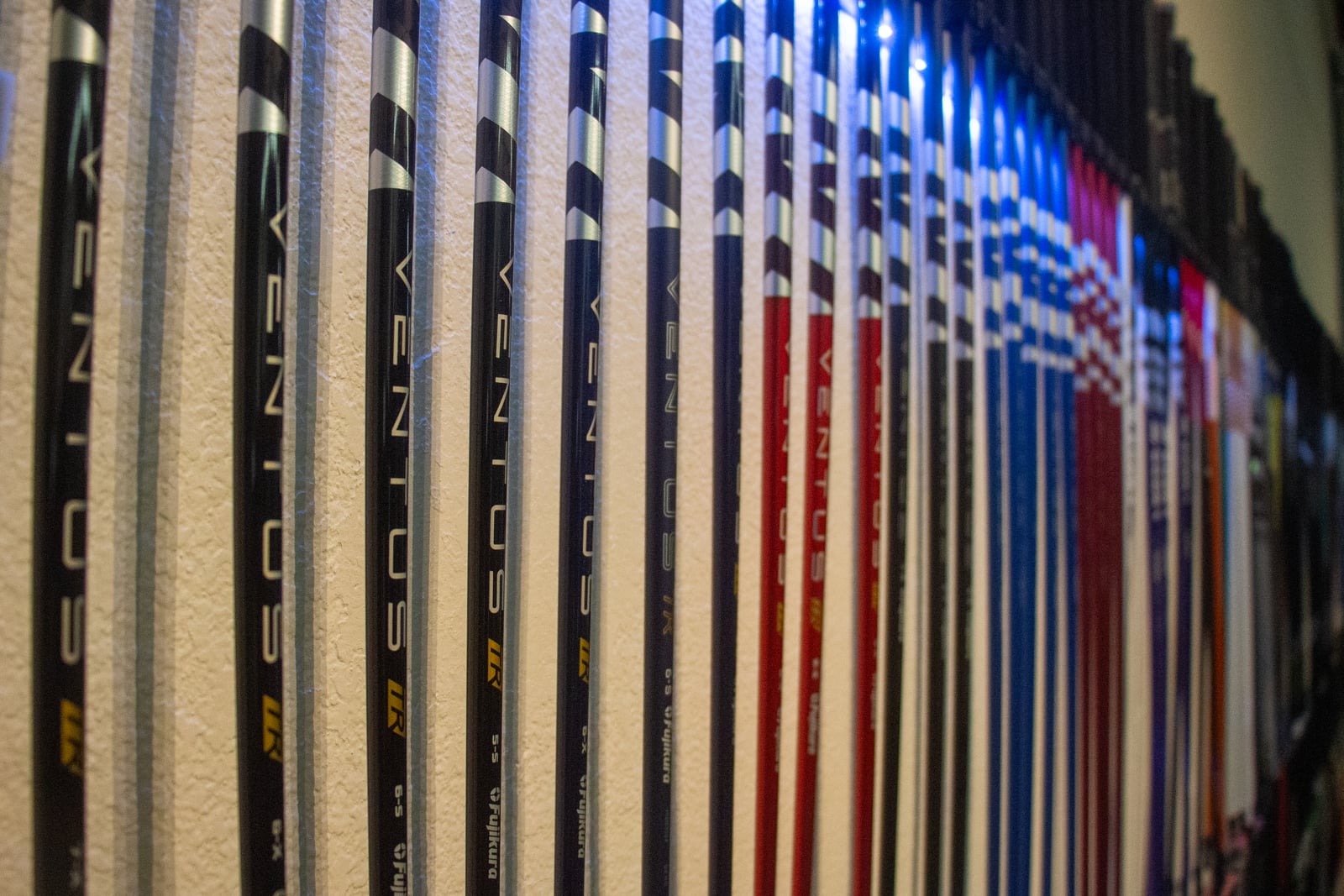
Alameda Golfworks | Fitting & Equipment Guides
When a Premium Golf Shaft Is Worth the Upgrade
A shaft label can help describe a product. It cannot tell you how the finished club will perform when you swing it.
The useful fitting question is not which flex sounds appropriate or which shaft is most expensive. It is which complete setup helps you produce the shots you need, at a cost you understand.
At Alameda Golfworks, we start with stock options and compare the result. A premium shaft becomes relevant when it shows a benefit, not because an upgrade is assumed to be part of every fitting. For a golfer prepared to invest in the right setup, the question is what the additional choice delivers: a flight, shot pattern, or feel worth selecting over the baseline.
Start with the whole club
The shaft is used with a particular head and build. When you test, you are responding to that finished combination.
That is why a result should not be reduced to one label. A golfer might like a shaft in one setup without establishing that it will be the right answer in every other club.
Bring your current equipment so the comparison has a useful reference. Explain what feels difficult and what you hope to improve.
Perhaps you want a different flight, more consistent contact, or a club that feels easier to swing naturally. Those are practical questions. Simply deciding that your current flex must be wrong does not identify the cause.
Use labels to organize options rather than end the search
Terms such as regular, stiff, or low launch can narrow a discussion, but your response still needs testing.
Players do not always produce the result a product description might lead them to expect. A fitting should make room for that, rather than discarding a useful combination because it does not match an assumption about the golfer.
Speed is relevant information, but it is not a complete recommendation. Strike, flight, and how comfortably you use the club all contribute to the comparison.
You do not need a particular flex designation to validate your ability. The right label is less important than having a club that does a useful job.
Give the stock offering a proper chance
A stock shaft is not automatically an inferior choice. If it delivers the result you need, spending more may add little value.
Our approach begins there because the purpose of a fitting is to identify suitable equipment, not to construct the most expensive order available.
Ask what the baseline option is doing well before moving to an upgrade. That keeps the comparison honest.
A useful stock result also gives a premium alternative something specific to improve upon. Without that reference, a higher-cost shaft can seem necessary simply because it was the only option seriously considered.
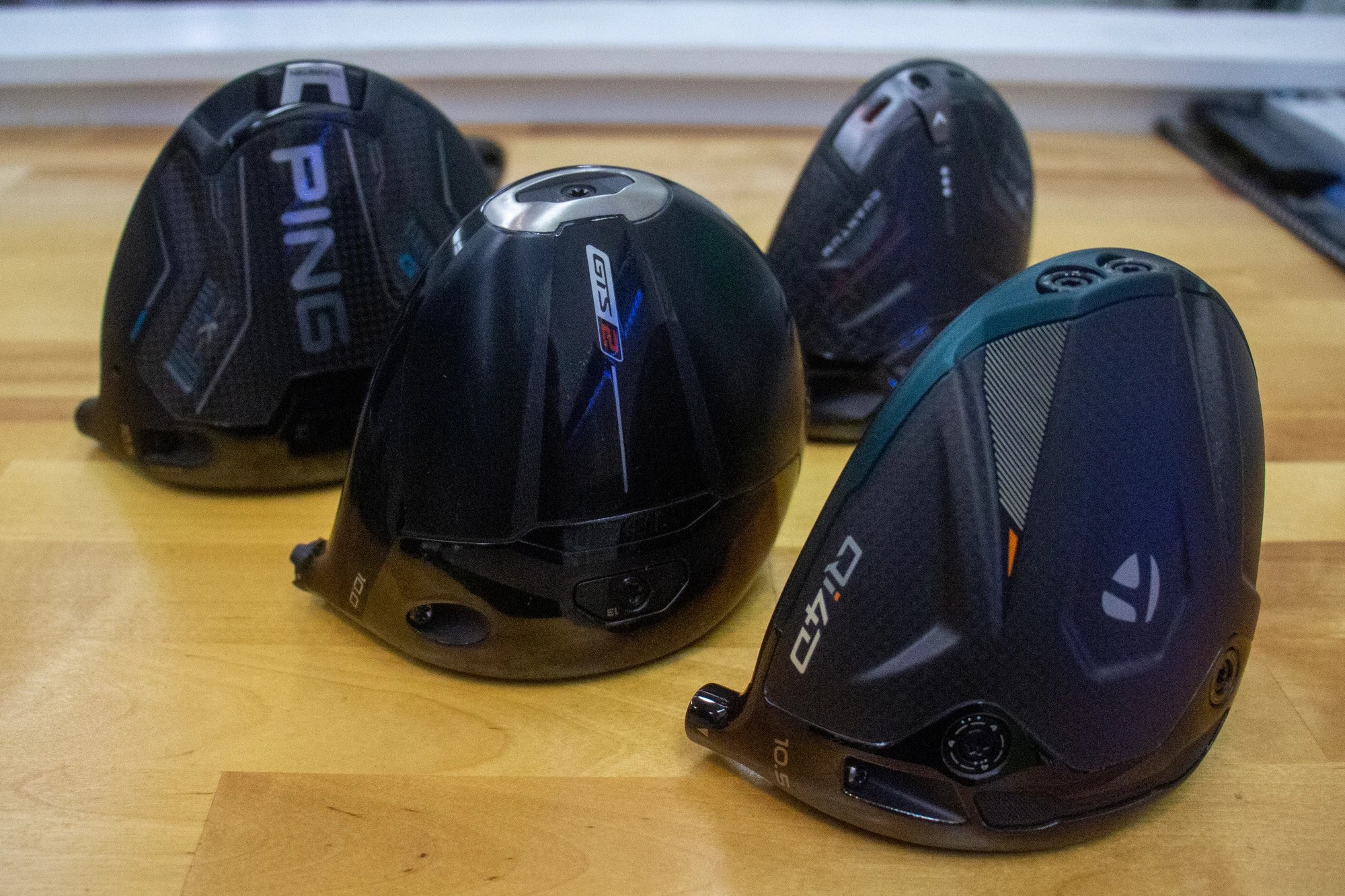
Define what would justify an upgrade
An upgrade should answer a question about performance or a preference that matters to you.
Perhaps the comparison produces a more useful flight or a more manageable pattern. Perhaps a different feel helps you make a comfortable swing. Those observations deserve attention, but the test needs to show what changed.
One particularly good shot is not enough to establish a reliable advantage. Ask whether the result appears across representative swings and whether the difference is meaningful for your game.
A premium shaft that works well for someone else has not yet demonstrated value for you.
Separate a measured benefit from a personal preference
It is reasonable to prefer the feel of one setup. You do not have to invent a statistical improvement to explain that preference.
At the same time, a pleasant sensation should not be presented as a measured performance gain if the comparison did not show one.
A clear recommendation distinguishes the two. You can then decide whether the price difference is worthwhile without confusing what was observed with what you enjoyed.
The same principle applies to cosmetic preferences. Personalization may be something you value, but it does not need a claim of extra distance to be legitimate.
Understand the price difference before ordering
Ask for the complete cost of the recommended setup, including any upcharge. Knowing that a component is premium is not the same as knowing what you will pay.
An improvement can be real without being worth the same amount to every golfer. Your budget and priorities belong in that decision.
If a larger equipment plan is stretching the budget, ask whether a different category should take priority. It may be more useful to retain a well-performing club and address a separate problem than to upgrade every component at once.
A fitting should help you allocate money, not make every available option feel compulsory.
Do not reshaft without identifying the purpose
Replacing a broken shaft and changing a shaft to alter performance are different jobs.
For a repair, the question may be how to restore a useful club. For a performance change, there should be evidence that the proposed combination addresses the issue.
Also consider the club's overall value. Repairing one iron may preserve a useful set, while the cost of reshafting an older wood may make replacement worth discussing.
Have the actual equipment assessed before deciding from the price of a component alone.
Confirm the exact recommendation
For Bay Area golfers evaluating a new set or a driver upgrade, shaft selection is best connected to the equipment purchase as a whole. Discuss which options can actually be tested and supplied, whether the selected build comes from the manufacturer or the shop, and how the finished specifications will be checked. A fitting recommendation should lead to an identifiable order, not just the name of a shaft to search for later.
Before placing an order, review the specific shaft, head, and build details. A similar product name or the same flex label is not a complete description of what was tested.
If the finished order differs from the test setup, ask why and make sure the reason is clear.
The aim is not to become an expert in every shaft on the market. It is to understand the choice being made for your club and the evidence behind it.
To discuss shaft options for your next club or set, call Alameda Golfworks at 510-337-1975. Review the shop's fitting approach and confirm specific test-component availability before your appointment.