
Alameda Golfworks | Club fitting insights
Club Fitting in Alameda: A Bay Area Golfer’s Guide
A club fitting should help you make a better equipment decision. That may mean a new driver, a different iron setup, an adjustment to clubs you already own, or confirmation that part of your bag is working well.
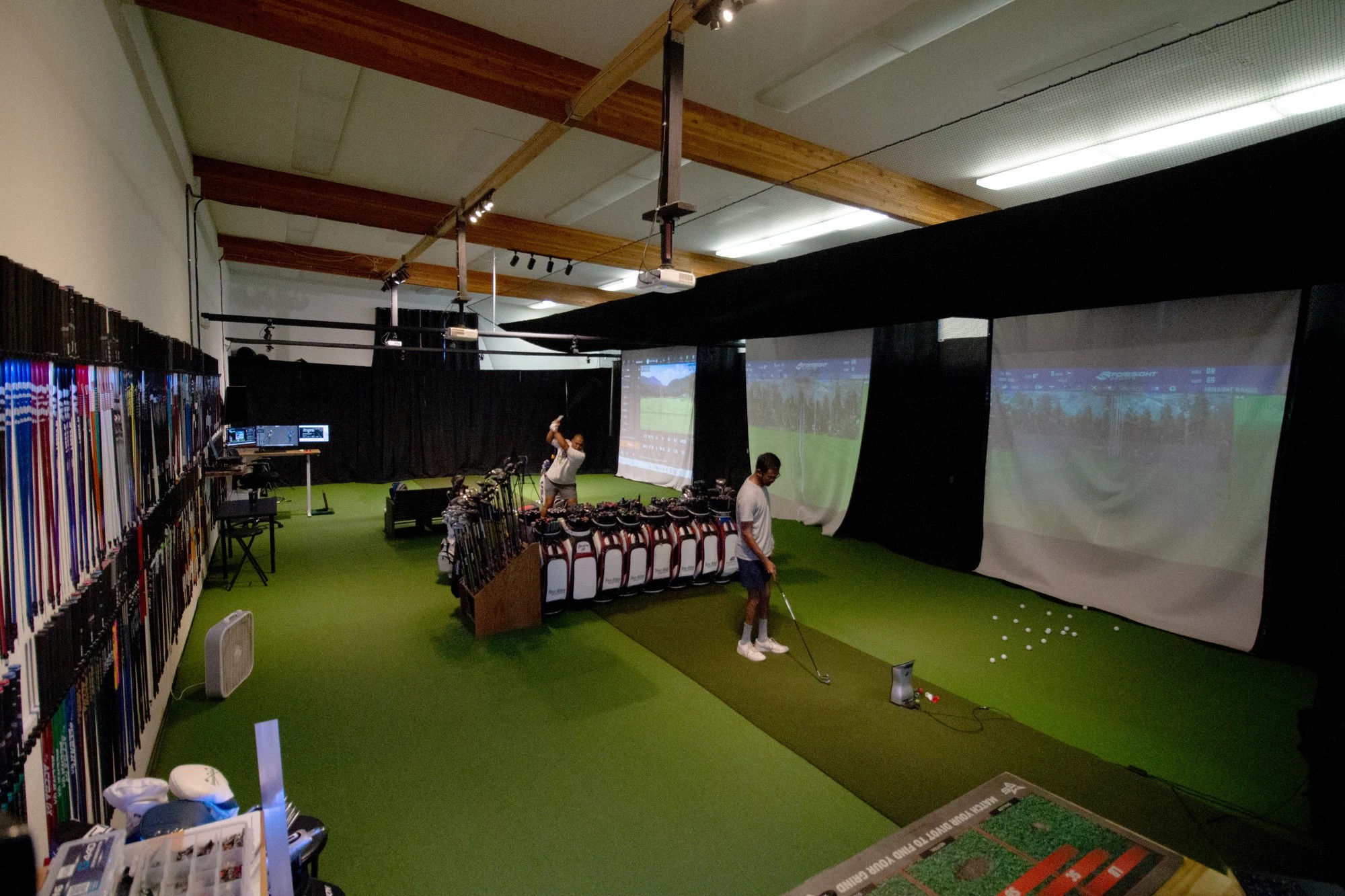
For Bay Area golfers considering a new set or a significant equipment upgrade, a fitting should connect the comparison in the bay with the clubs you eventually receive. At Alameda Golfworks, that means starting with your current equipment, using GCQuad feedback to compare alternatives, and carrying the chosen specifications through to the finished clubs.
We listen to how the clubs feel and explain what makes a change worthwhile. The aim is a purchase you understand and can use confidently, with a clear reason for each part of the setup. Where an existing club already does its job, it can remain part of the plan.
That approach applies whether you are learning the game or preparing for competitive golf. The details of the recommendation change with the player; the standard for making it should not.
Start with the problem you want to solve
You can focus on a driver or iron set, or discuss a full-bag fitting when several categories need attention. A coordinated plan matters when a new iron set changes the distances you need from hybrids and wedges. The shop’s full-bag fitting excludes putter fitting; explain your priorities when calling so the appointment matches the work you want to do.
You do not need to arrive knowing which shaft or head you need. In fact, a description of the problem is often more useful than a proposed solution.
Perhaps your driver has become difficult to trust. Maybe your longer irons seem to travel the same distance, or a new pitching wedge has left an awkward gap before your next wedge. Explain what happens during play and what you would like to improve.
We also want to know how often you play and practice, whether you take lessons, and what you hope to do next. A golfer making a major swing change may need a different timeline from someone whose equipment no longer suits an established game.
Tell us your budget early. It helps distinguish an immediate priority from an optional change, and it keeps the recommendation connected to a decision you can realistically make.
Establish a baseline with your current clubs
After warming up, you will normally start with your own club in the category being evaluated. An iron fitting commonly begins with a seven iron; a driver fitting starts by learning what your current driver produces.
This baseline gives the comparison meaning. A new club may deliver an impressive shot, but the useful question is whether it improves on equipment you already understand.
Bring your full bag, even for a single-category appointment. A club can perform well by itself and still duplicate something else in the set. The clubs around it help explain the role it needs to fill.
If you do not own suitable current equipment, discuss that when booking. A baseline is useful context, not an entrance requirement for learning about your options.
Use GCQuad to understand the result
The shop uses GCQuad launch-monitor feedback to help evaluate strike and flight. Ball speed, launch, spin, and other information help us compare combinations and narrow the options.
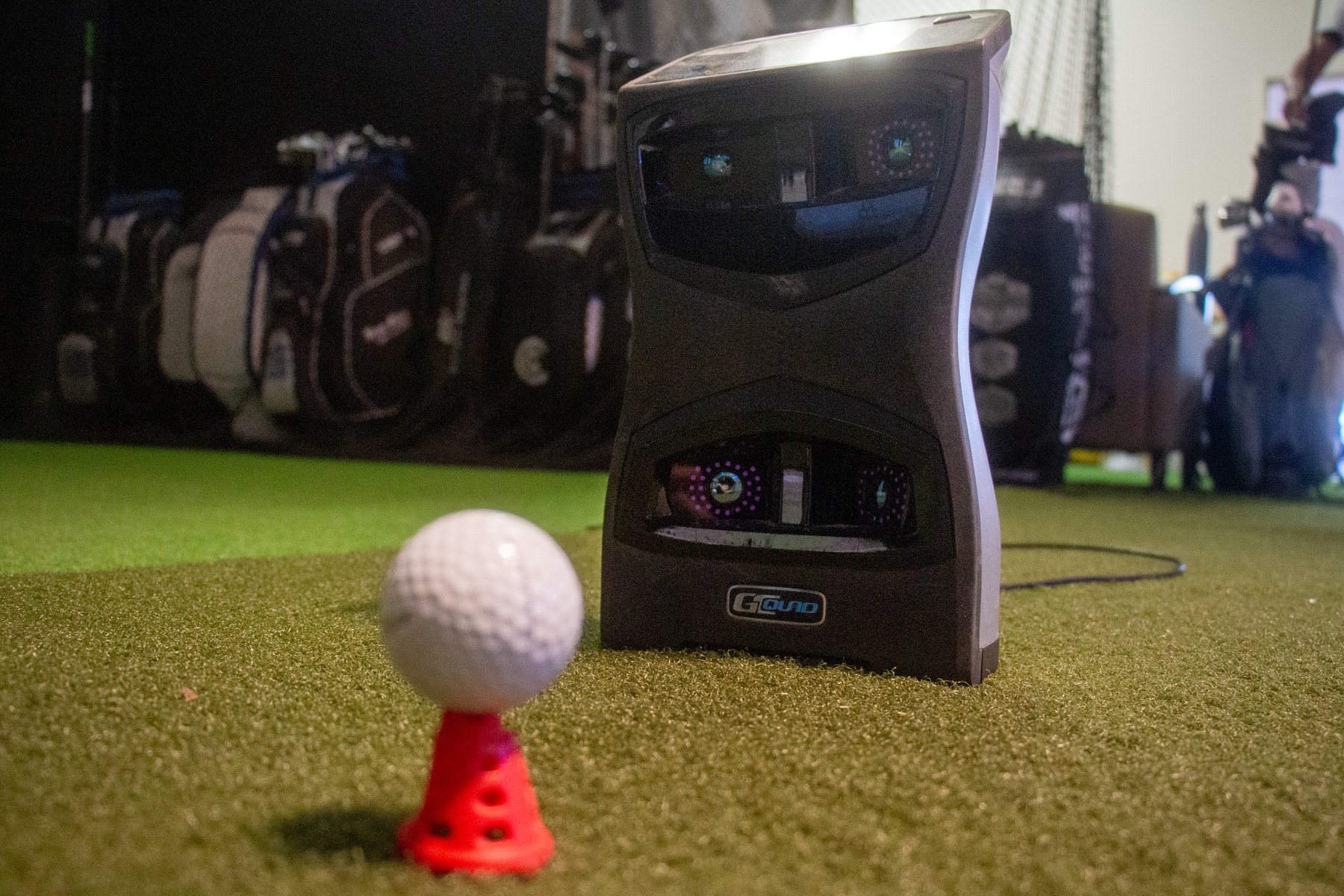
The numbers serve the equipment question. With irons, reliable carry distance and a useful flight matter more than simply hitting one farther. With a driver, extra distance should be considered alongside the shot pattern and how manageable the misses are.
There is no single number that identifies the best club for every player. Ask what changed and why that change matters for the shots you want to hit.
A fitting is not a contest to produce a personal record. Several representative swings tell a more useful story than one exceptional strike.
Include feel and confidence in the comparison
Appearance, sound, and feel belong in the conversation. If a club performs well but you dislike looking down at it, say so. We can explore whether another option produces similarly useful results in a form you prefer.
The same principle works in the other direction. If you love a particular head, it is reasonable to test whether an appropriate setup helps it perform well for you. Preference deserves consideration, but it does not erase a meaningful performance tradeoff.
Describe your response in ordinary language. You do not need to identify a technical cause before explaining that a club feels uncomfortable or difficult to swing naturally.
The aim is equipment you understand and want to use, supported by results you can explain.
Give stock options a fair chance
A fitting does not automatically require premium components. Our approach is to test stock shaft options first and consider added cost when another option provides a benefit.
That benefit should be clear. It might involve a more suitable flight or a more useful pattern of shots. If the comparison does not show a meaningful advantage, the more expensive option has not earned its place merely by being available.
You can also make changes in stages. Keeping a useful driver while addressing a problem elsewhere is a sensible equipment decision, not an incomplete purchase.
Understand what the setting can establish
Indoor testing gives us a controlled place to compare equipment, but it does not recreate every shot on a course.
Wedges are an important example. We can discuss distances, delivery, and the shots you need, but an indoor session does not show actual bunker shots or contact from rough. Those limits belong in the recommendation.
Similarly, equipment cannot remove every swing inconsistency. A fitting can help identify a suitable setup without promising that every subsequent shot will be good.
Know the next step before you leave
Before placing an order, ask for a plain-language explanation of the recommendation:
- What improved over the current equipment?
- How repeatable was the difference?
- What is the exact setup and complete cost?
- Which clubs can stay in the bag?
- What should happen after the new equipment arrives?
Finished clubs are checked against the intended specifications. After receiving fitted clubs, customers can also use a complimentary, self-directed hour on the launch monitor to learn their carry distances. That hour is not another guided fitting or lesson.
A useful fitting leaves you clearer about your equipment, whether you buy immediately, take time to decide, or keep what you have.
Planning a driver upgrade, an iron set, or a more complete equipment purchase? Call 510-337-1975 to discuss club fitting at Alameda Golfworks. Tell us which parts of the bag you want to evaluate and any specific models you hope to compare, so we can confirm appointment scope and availability before your visit to 1710 Lincoln Avenue in Alameda.
Explore our fitting and equipment services or learn about the shop. Get directions to 1710 Lincoln Avenue, Alameda, CA 94501.

[…] Our Bay Area golfer’s guide to club fitting […]
[…] Our Bay Area golfer’s guide to club fitting […]